July 26, 2026 · Common Empire
Bikepacking for beginners: everything you need to get started
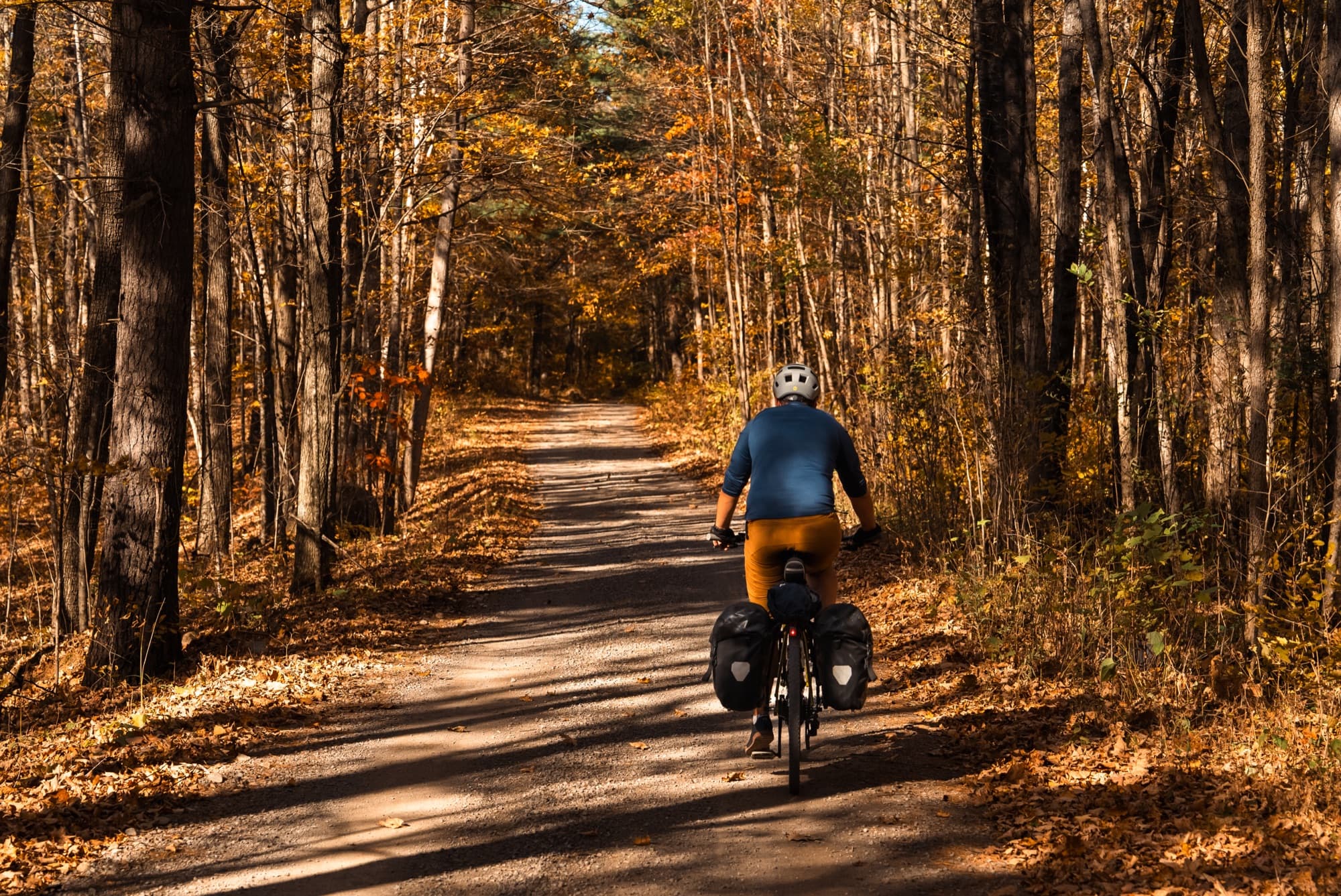
Somewhere between a day ride and a full-blown expedition lives the best-kept secret in cycling: bikepacking. It's camping on a bike, adventure on your own terms, and one of the fastest ways to fall back in love with riding. If you've ever finished a long ride and thought "what if I just… kept going?" — this guide is for you.
We'll cover the what and the why, then get practical: the gear that matters, exactly what to pack, how to load your bike, and the tips we wish someone had told us before our first overnighter. No pro budget or ultralight obsession required.
So what is bikepacking?
Bikepacking is self-supported cycle touring on lightweight, frame-mounted bags — no bulky racks or panniers required. You carry everything you need to sleep, eat, and fix your bike, then ride routes that mix quiet backroads, gravel, and trails. Trips can be a single overnighter ("S24O" — sub-24-hour overnight) or a multi-week adventure.
The difference from classic touring is the setup: instead of heavy racks and panniers built for pavement, bikepacking uses soft bags strapped to the frame, handlebars, and saddle. That keeps the bike nimble enough to handle gravel and singletrack — exactly the terrain the Ottawa Valley is full of.
Why bother?
- Adventure, simplified. Everything you need is on your bike. There's a rare kind of freedom in that.
- See more, cover more. A bike carries you three or four times farther than hiking for the same effort — deep into places cars never reach.
- It's cheaper than you think. Your existing bike plus a few bags gets you started. Camping is free-to-cheap.
- Ride, then rest, then ride. Roll into camp at dusk, cook dinner under the stars, wake up somewhere beautiful, and do it again. It's genuinely restorative.
- Community. Adventure is better when it's shared — and an overnighter with friends becomes a story you'll tell for years.
You don't need much to start
The single biggest myth is that you need a dedicated bike and a pile of expensive kit. You don't. The best bikepacking bike is the one you already own. A gravel bike is ideal, but a hardtail mountain bike, a touring bike, or even a sturdy hybrid will happily do an overnighter.
Start with what you have, borrow or improvise the rest, and only buy nicer gear once you know what you actually like. Your first trip should be short and close to home — that's how you learn what you need without a catalogue's worth of guesses.
The bags: where your stuff goes
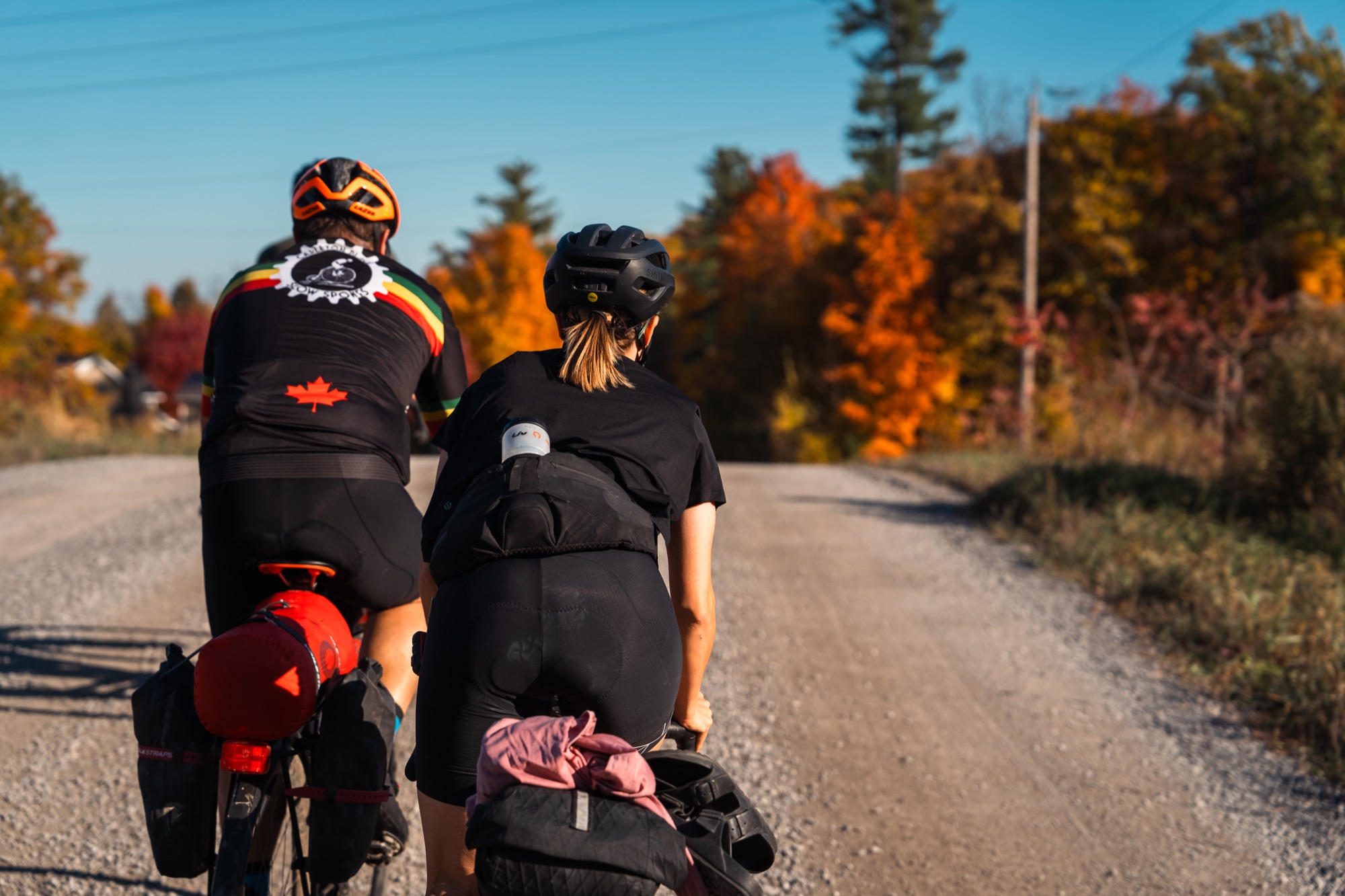
Bikepacking loads spread weight across three main bags. The goal is to keep it low, centered, and secure so the bike still handles well.
- Saddlebag (seat pack): The big one. Straps under your saddle for soft, light, bulky items — sleeping bag, puffy jacket, spare clothes.
- Handlebar roll: Long, light gear across the bars — tent, sleeping pad, or a dry bag of clothing.
- Frame bag: Inside the main triangle. The best real estate on the bike — keep heavy, dense items here (tools, food, water bladder) to lower your centre of gravity.
- Top-tube & stem bags: Small "snack bags" for the things you want while rolling — food, phone, sunscreen, a battery pack.
Golden rule: heavy and dense goes low and central (frame bag), light and bulky goes high and at the ends (bars and saddle). A tail-heavy bike sways; a well-balanced one disappears beneath you.
Essential gear: the non-negotiables
Before the "nice to haves," these are the things that keep a trip safe and fun:
- A reliable bike, dialed in. Fresh-ish tyres, working brakes, a clean drivetrain. A quick tune or a bike fit pays off tenfold over a loaded day. Our local shops can give it a once-over before you go.
- Helmet and lights. Every ride, no exceptions — front and rear, charged.
- The repair kit you know how to use. Spare tubes, a mini pump, tyre levers, tyre plugs (if tubeless), a quick link, and a multitool. Practice a tube swap at home first.
- Navigation. A GPS head unit or a phone in a handlebar mount with your route loaded — plus offline maps as backup.
- Water capacity. Two bottles minimum; add a frame-bag bladder for remote routes. Know where you'll refill.
- Shelter and sleep system. Something to sleep in (tent, bivy, or hammock), something to sleep on (a pad — this is what keeps you warm), and something to sleep in warmth-wise (bag or quilt).
What to pack: a first-overnighter checklist
Group your kit and you'll never leave the important stuff behind. Adjust for season and forecast.
Sleep system
- Tent, bivy, or hammock + tarp
- Sleeping bag or quilt (check the temperature rating)
- Insulated sleeping pad
- Optional: inflatable pillow (or stuff a jacket in a sack)
Kitchen
- Compact stove + fuel, or plan for no-cook meals
- Pot/mug, spork, lighter
- Food: dinner, breakfast, and more ride snacks than you think — dial your on-bike fuelling with our fuelling calculator
- Water, filter or purification tablets, refill plan
Clothing (layer, don't overpack)
- Riding kit you're wearing + one spare pair of shorts/bibs
- Insulated layer (puffy) and a packable rain jacket
- Warm hat, gloves, and dry socks for camp
- Off-bike shoes or sandals (optional luxury)
Repair & tools
- Spare tubes, pump, levers, plugs, quick link, multitool, chain lube
- Zip ties, a length of gorilla/duct tape, spare bolts
Safety & navigation
- Charged lights, GPS/phone, power bank + cables
- First-aid basics, whistle
- ID, cash/card, emergency contact info
Personal
- Sunscreen, lip balm, toothbrush, small toiletries
- Any medications
- Phone, and a note of where you're going + when you'll be back
Building your own list? Our dynamic, ride-aware packing checklists generate a tailored version based on your trip — a great starting point you can trim to taste.
Planning your first trip
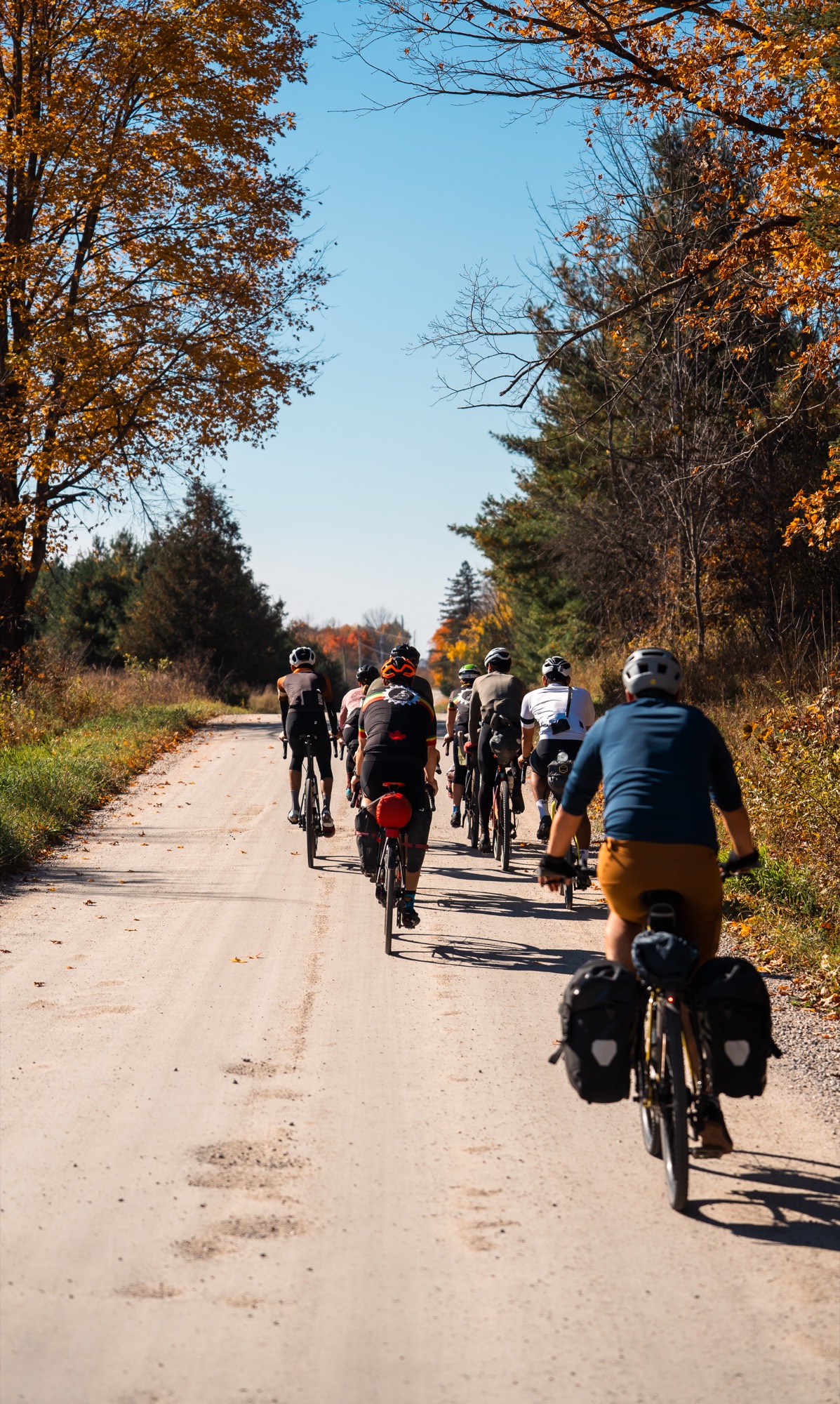
- Keep it short and close. Aim for a loop of 40–80 km with a campsite roughly halfway. Loaded riding is slower and harder than you expect — plan for it.
- Pick a known-good route. Quiet gravel and backroads beat busy highways. Browse our route library for maps, elevation, and GPX downloads you can follow on your head unit.
- Sort your camp in advance. Book a campsite or conservation area so you're not hunting for a spot at dusk. Know the rules for where you're staying.
- Nail water and food. Map refill points and note where the last shop is before camp. Carry a buffer of both.
- Check the weather — then check it again. It changes your whole packing list. Set your tyre pressure for the load and surface with our tyre-pressure calculator.
- Tell someone your plan. Share your route and expected return time with a friend.
Tips & tricks we learned the hard way
- Do a "backyard shakedown." Load the bike and ride 20 minutes before committing to an overnighter. You'll find the rattles and the forgotten essentials while you can still fix them.
- Pack light, then remove three more things. Every gram is one you pedal up every hill. You need far less than you think.
- Test your sleep system at home. A cold, sleepless first night ruins day two. Make sure your pad and bag actually keep you warm.
- Keep camp clothes bone dry. Seal a dry base layer and socks in a bag and never ride in them. Dry clothes at camp are morale.
- Front-load the miles. Ride further on day one while you're fresh so the return is easy.
- Eat before you're hungry, drink before you're thirsty. Loaded riding burns more — stay ahead of it.
- Strap it tight, then bounce-test it. Anything that can rattle loose, will. Lift the bike and drop it gently; re-cinch whatever moves.
- Bring one comfort item. Real coffee, a good snack, dry camp socks — a tiny luxury transforms a hard day.
Bikepacking around Ottawa & the Valley
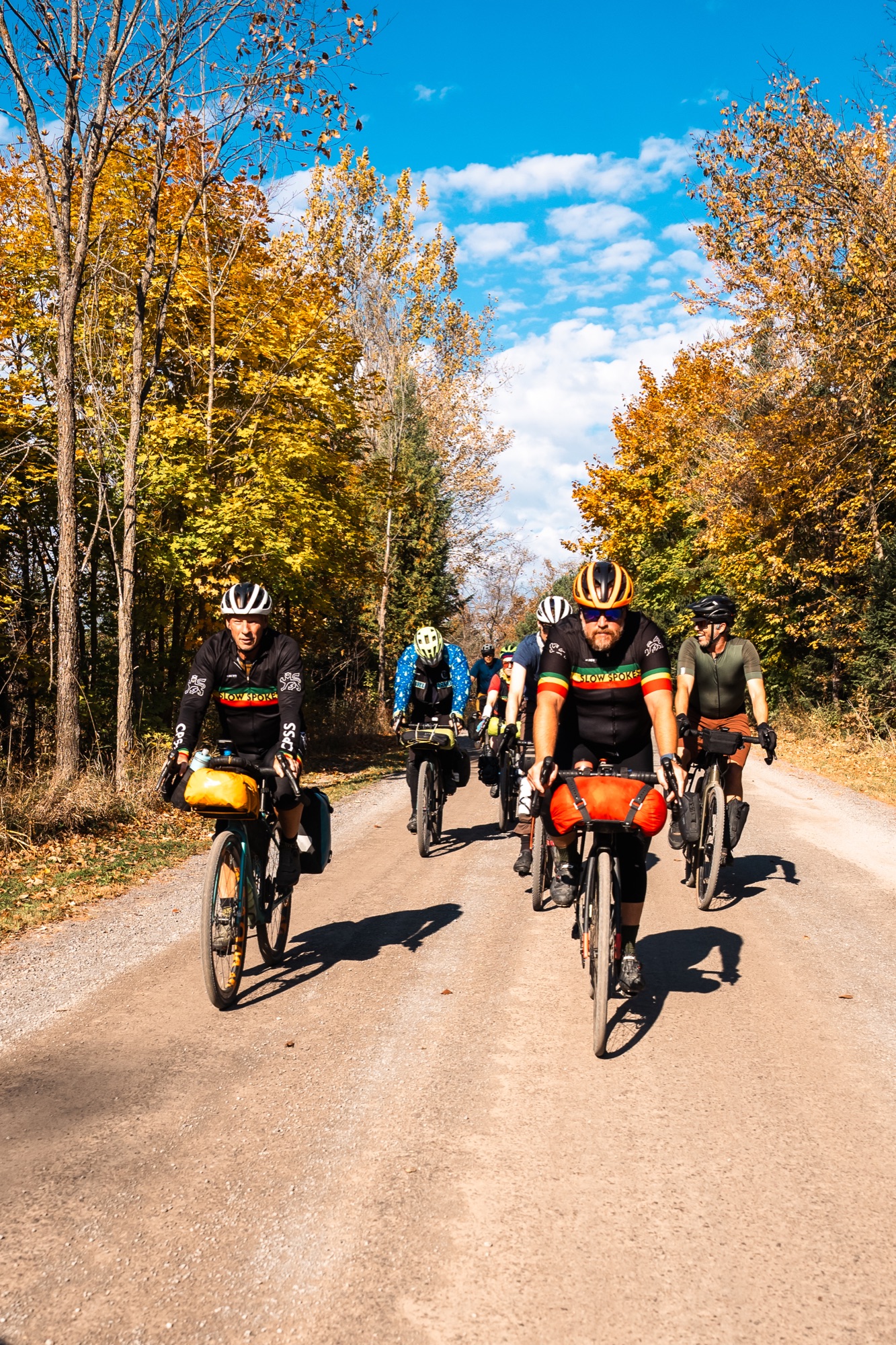
We're spoiled here. Within an easy ride of the city, Lanark County offers hundreds of kilometres of quiet gravel concessions, the flat and car-free Ottawa Valley Rail Trail, and heritage towns with cafés and campsites made for an overnighter. It's the perfect proving ground for a first trip — remote enough to feel like an adventure, close enough to bail if you need to.
New to riding loaded on loose surfaces? How We Ride covers spacing, calling hazards, and holding your line when the road turns to dust.
Bikepacking FAQ
What kind of bike do I need for bikepacking?
The one you already own. A gravel bike is ideal for our terrain, but a mountain bike, touring bike, or sturdy hybrid all work well for a first overnighter. Prioritise reliability and comfortable, wider tyres over buying something new.
Do I need special bikepacking bags?
For your first trip, no. You can strap a dry bag to your bars and saddle and use a small backpack to get started. Dedicated frame, saddle, and handlebar bags make things tidier and handle better, but they're an upgrade — not a requirement.
How much does it cost to start?
If you have a bike and any camping gear, you can do your first overnighter for the cost of a campsite. A basic set of bags runs a few hundred dollars, and you can borrow or improvise the rest until you know what you like.
How far should I ride on my first trip?
Less than you think — aim for 40–80 km total over two days, with camp near the halfway point. A loaded bike is noticeably slower and harder, so give yourself margin and time to enjoy it.
Where do I sleep?
Campgrounds and conservation areas are the easy, legal, beginner-friendly choice, often with water and washrooms. Book ahead. As you gain experience you can explore more remote options — always follow local rules and Leave No Trace.
How do I carry enough water?
Two bottles plus a frame-bag bladder covers most rides. The real skill is planning refills — map shops, taps, and public water fountains, and always carry a buffer for remote stretches.
Is bikepacking safe for beginners?
Yes, with sensible prep: a well-maintained bike, lights, a repair kit you know how to use, a shared plan, and a route within your ability. Start short and close to home, and build up as your confidence grows.
Can I go bikepacking alone, or should I go with others?
Both are great. Going with friends is safer, more fun, and a gentler learning curve for your first time. Come find ride buddies on one of our group rides or in the community — adventure really is better when it's shared.
Ready to roll out?
The hardest part of bikepacking is deciding to go. Start small, borrow what you can, and point your tyres at a quiet backroad with a friend. You'll be hooked by the first sunrise.
Browse routes to plan your trip → · Find a ride & meet your crew → · Build your packing list →