The ride guide
How we ride
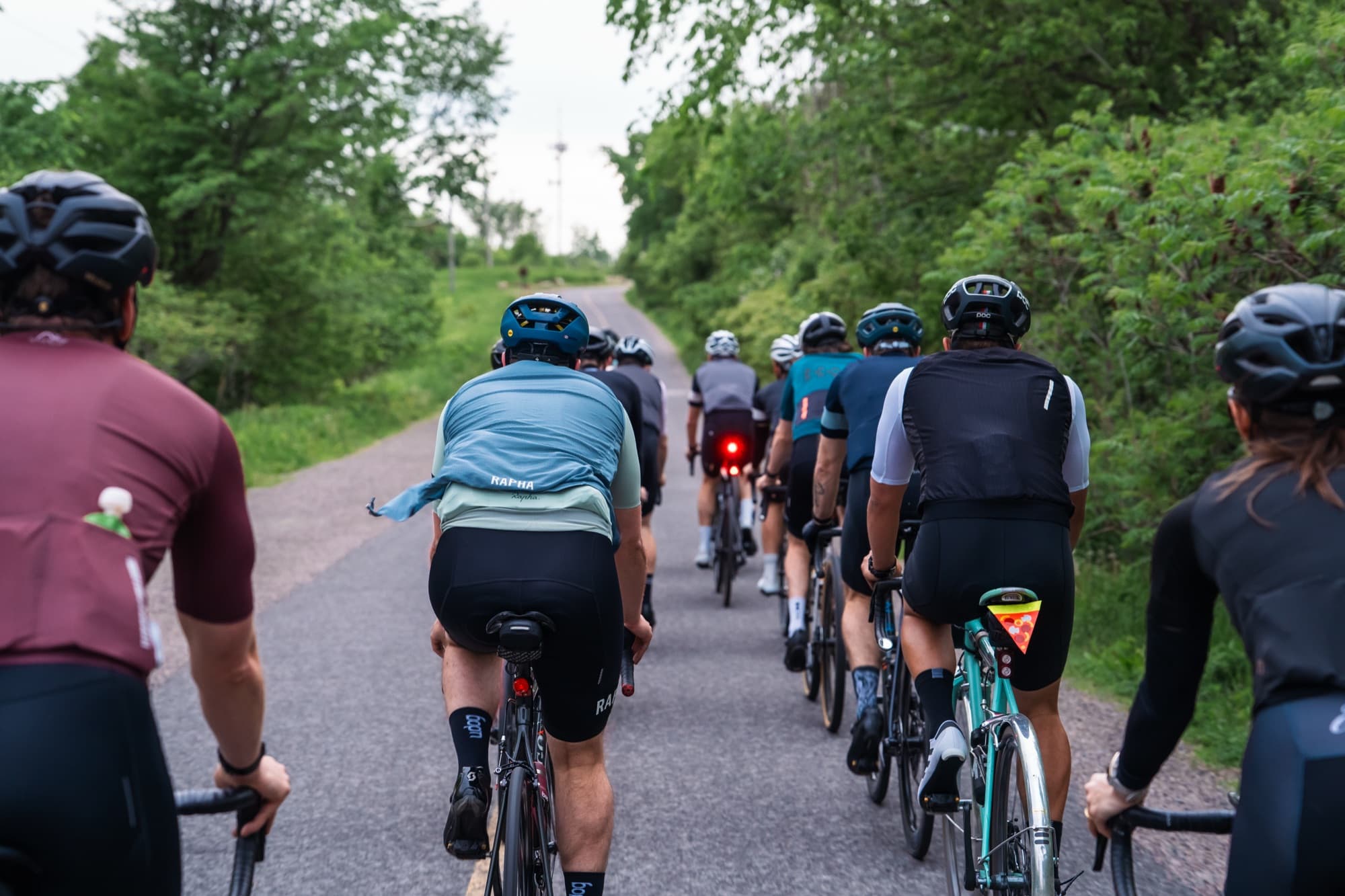
Riding in a group is a skill — and a shared responsibility. This is how we roll together at Common Empire: how we hold a paceline, rotate, call out hazards, and look after each other so every ride is safe and fun.
The whole guide in one line
Predictability + Communication = Safe
Do what the riders around you expect, and tell them what’s coming. Everything below is just those two ideas in practice. Safe riding is what makes the fun possible — connection over competition, every time.
Roles & responsibilities
Everyone has a part to play in keeping the group safe.
Ride Leads
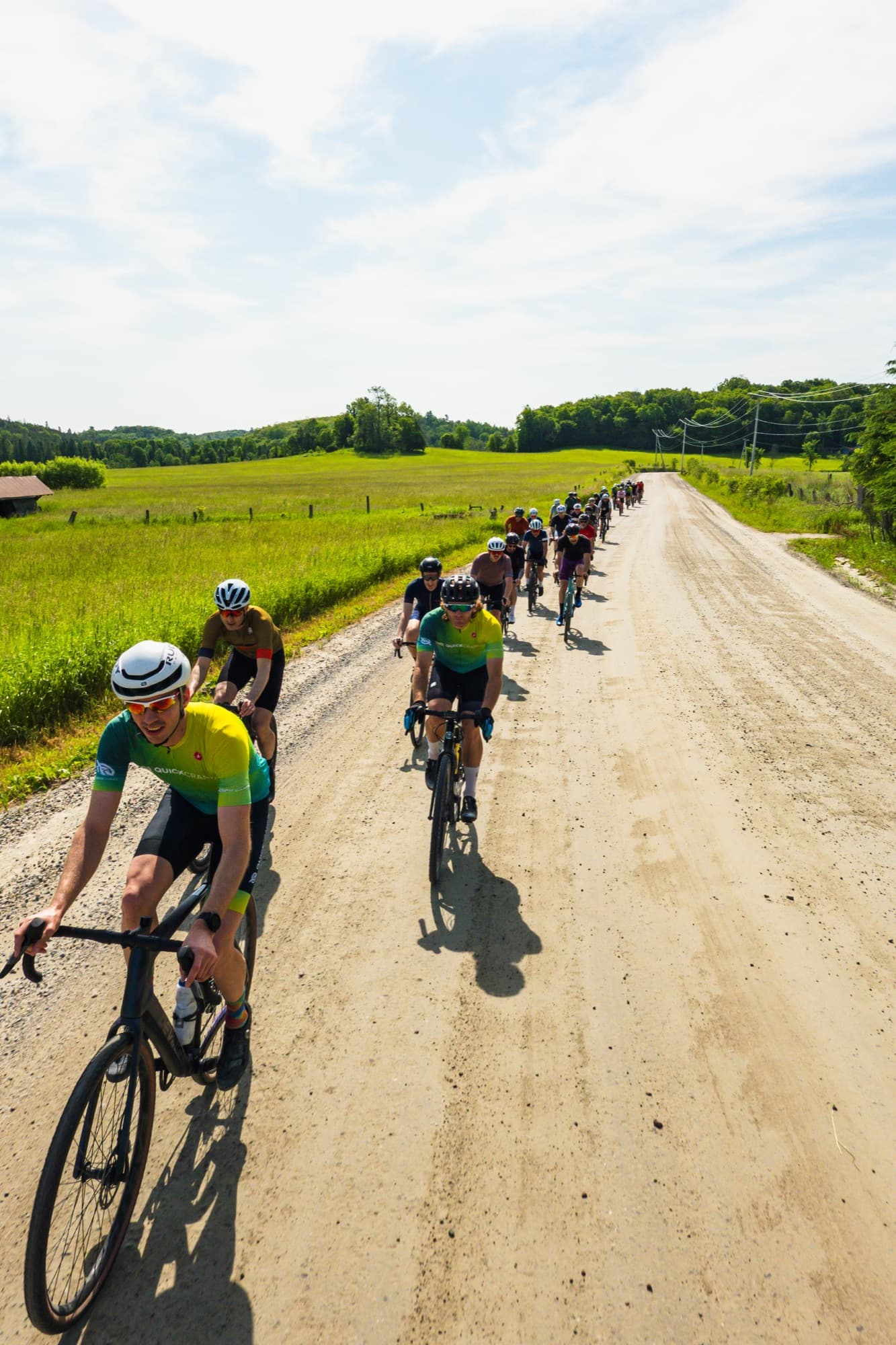
Set the route, tone, and pace for the group, deliver the pre-ride safety briefing, and make sure no one is left behind. They call regroups and adapt to conditions. Follow their direction on the road.
Every rider
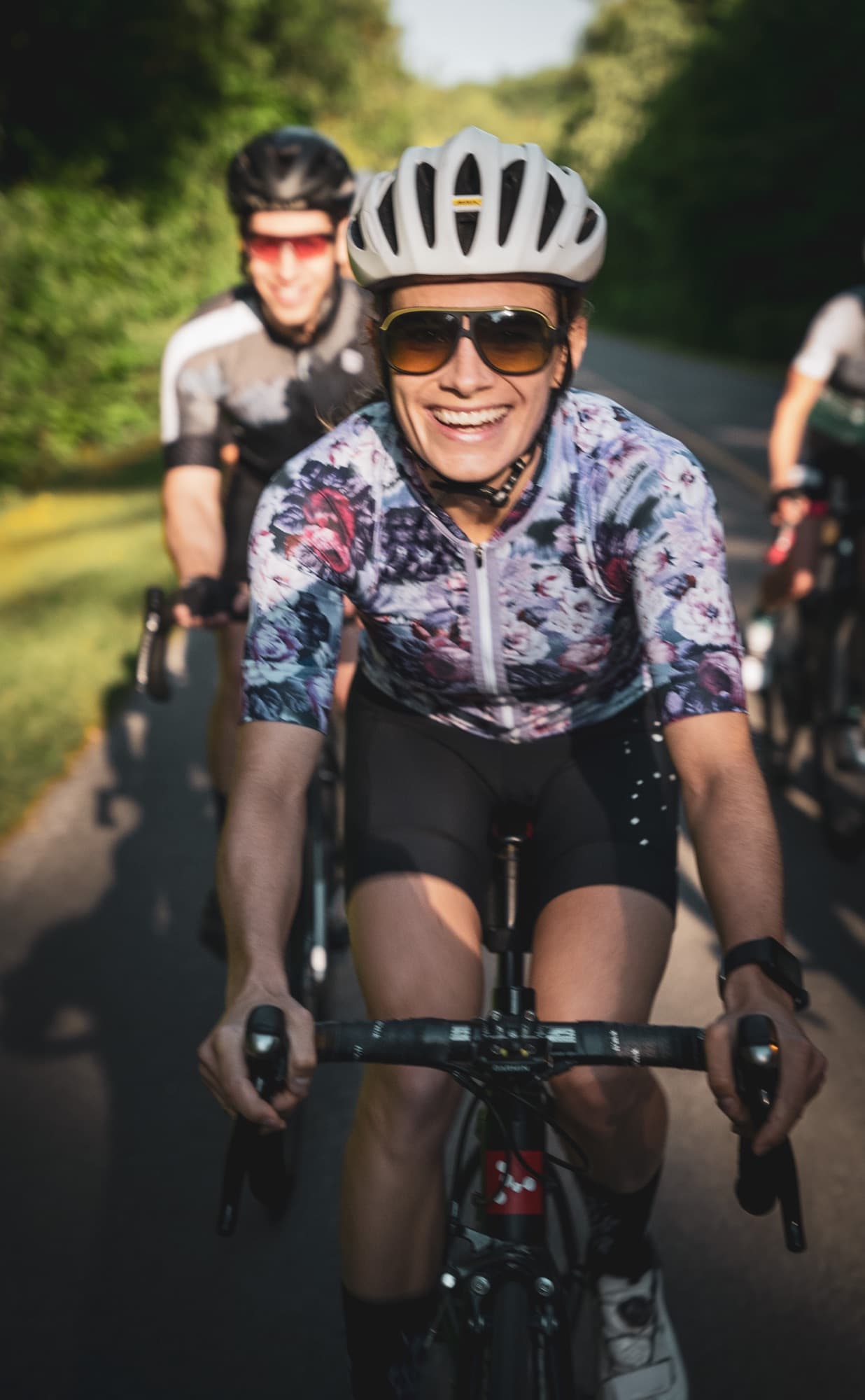
You are responsible for your own safety and for the riders around you. Ride predictably, communicate clearly, hold your line, and look after the wheel behind you as much as the one in front.
The sweep
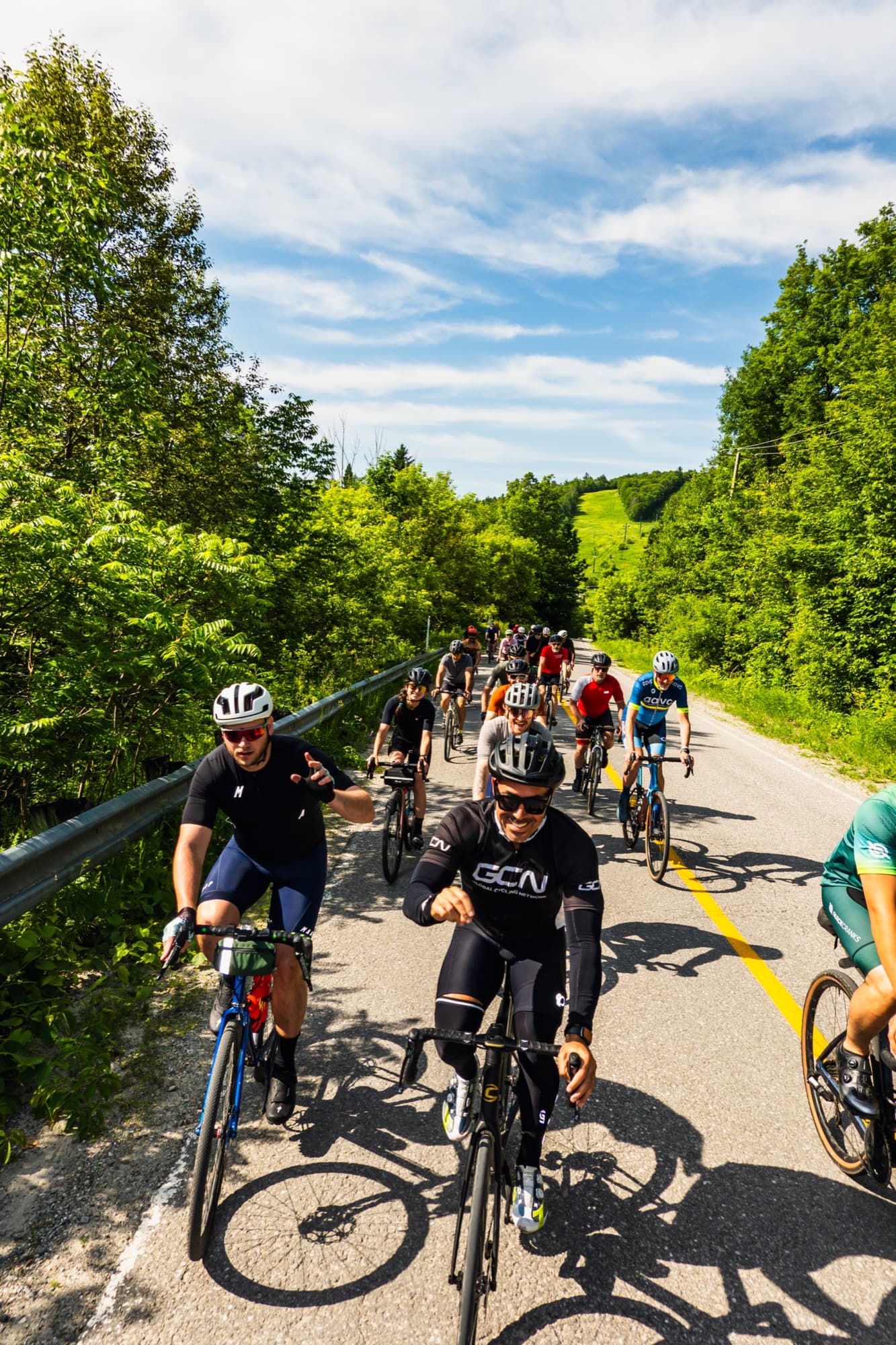
A designated rider at the back keeps the group together, helps anyone who drops off, and signals the leads if the group needs to slow or regroup. If you're struggling, ride near the sweep.
Before you roll
- Helmet on and lights on — front and rear, every ride, no exceptions.
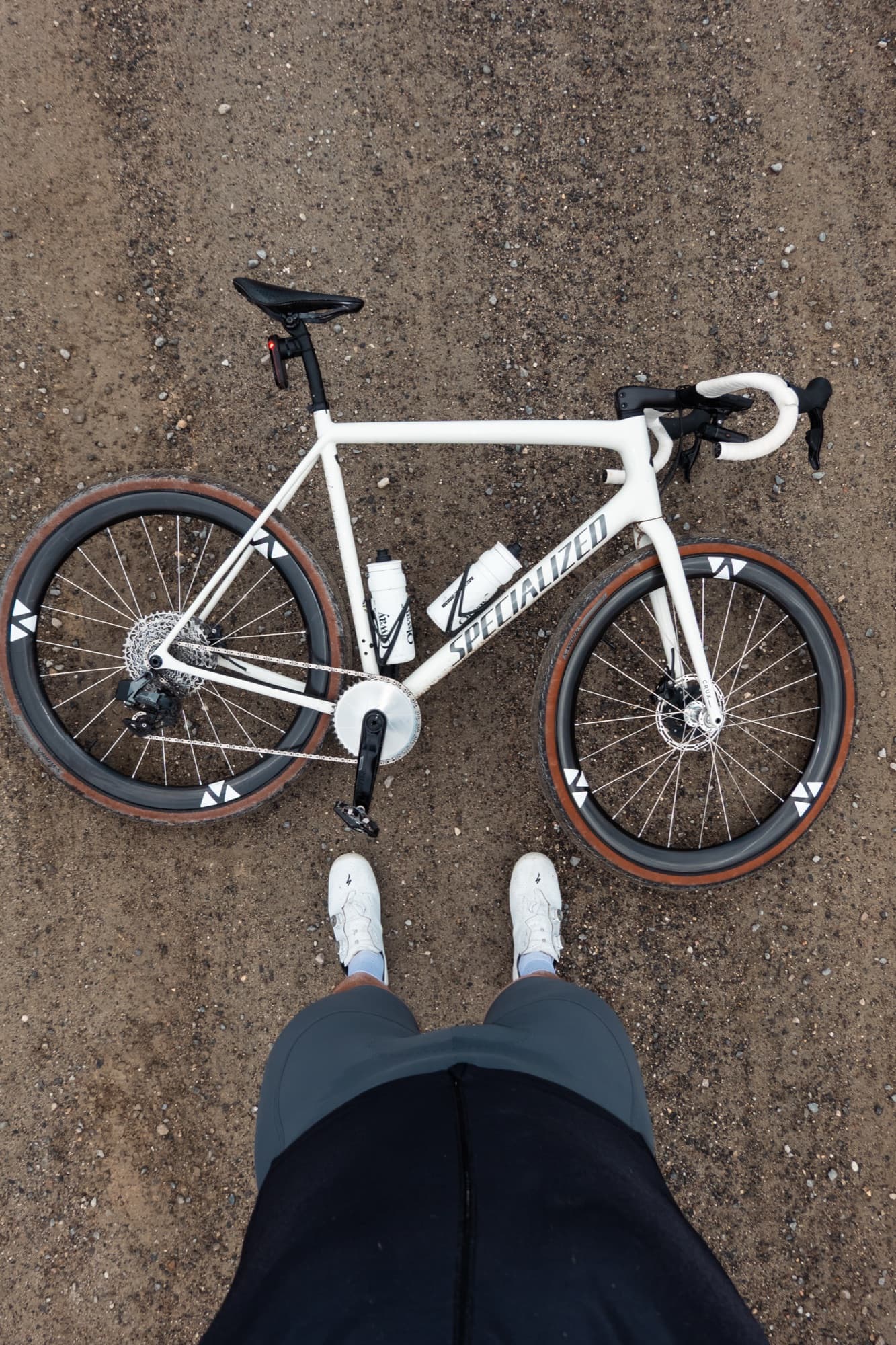
- Give your bike a quick M-check: tyres, brakes, quick-releases, chain.
- Sign your rider waiver (once per season for weekly rides).
- Arrive early for the safety briefing and to find your pace group.
- Bring water, food, a spare tube, and a way to fix a flat.
- No earbuds — you need to hear the group and traffic (and it's the law in Quebec).
Riding in the group
The fundamentals that keep the bunch tight, smooth, and safe.
Shoulder to shoulder
When riding two abreast, stay level with the rider beside you — not half a wheel ahead. Half-wheeling stretches the group and slowly ramps up the pace for everyone.
Hold your line
Ride a straight, steady line. Don't swerve, drift, or make sudden moves. The riders behind you are trusting the space you leave them.
Be smooth
No sudden braking or accelerating. Soft-pedal or feather the brakes to adjust. Surges and hard stops ripple back through the group as a dangerous accordion.
Don't overlap wheels
Never let your front wheel overlap the rear wheel ahead of you. If they move sideways and touch your wheel, you go down — not them.
Mind the gap
Stay close but controlled — roughly a wheel to a bike length. Big gaps break the draft and split the group; being on top of the wheel ahead is unsafe.
Eyes up
Look through and past the rider in front, not at their wheel. Anticipate what's coming so you can react early and smoothly.
The paceline & rotation
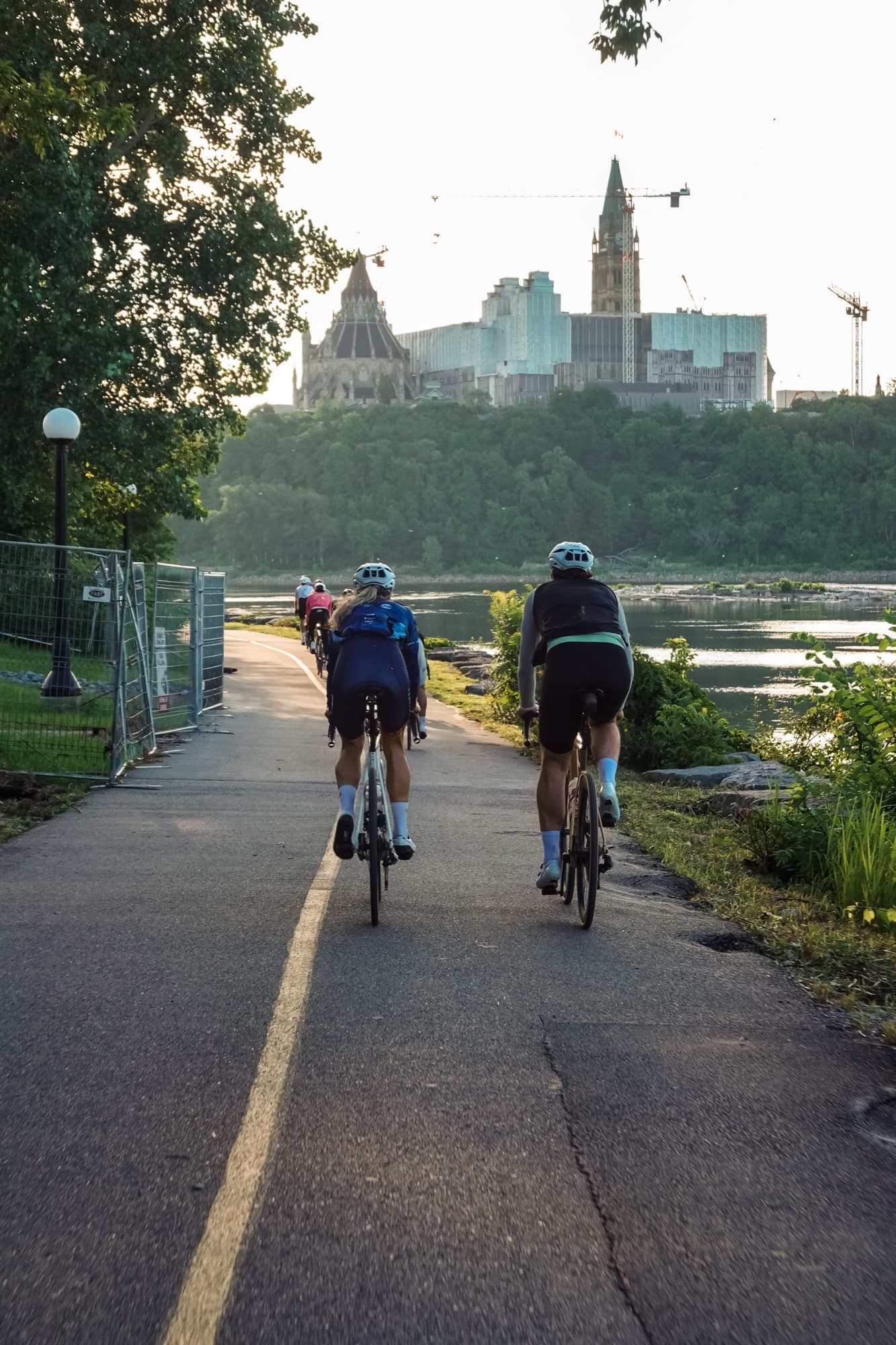
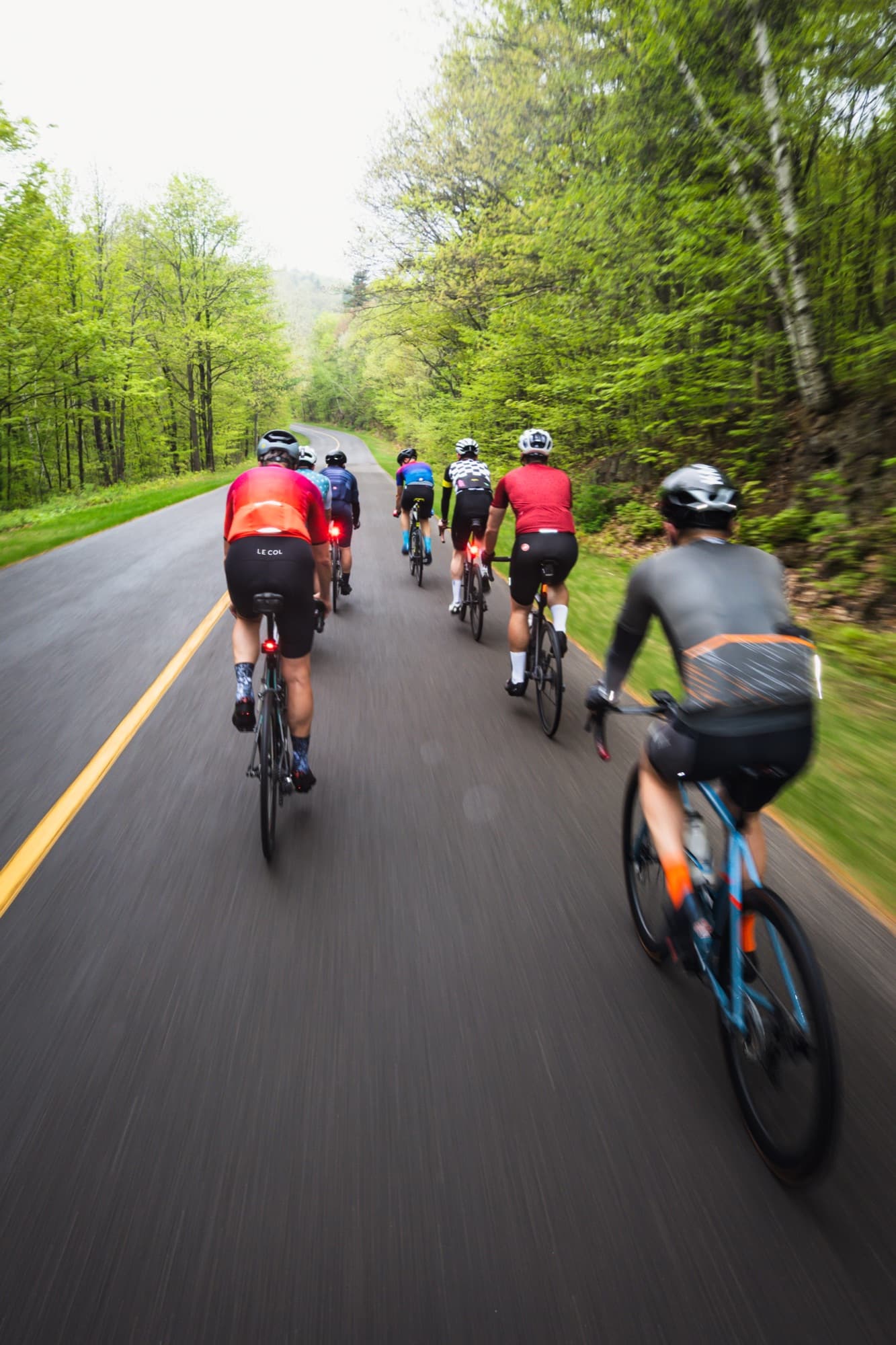
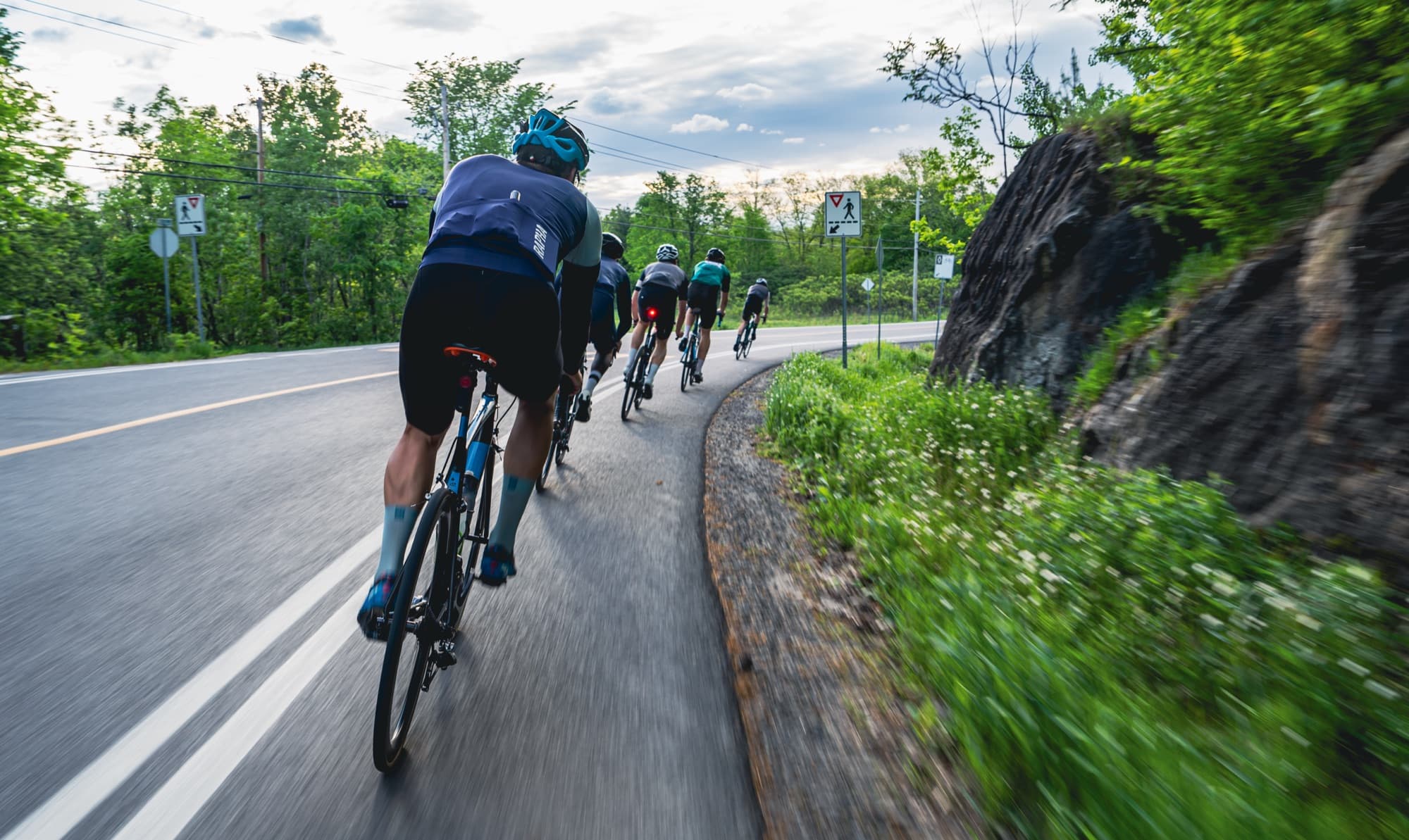
Sharing the work in the wind is what makes a group fast and fun. The rider at the front does the hard work; everyone behind saves energy in the draft. We take turns so no one is buried at the front.
Single paceline
One line, nose to tail. Take a steady pull at the front, then signal, move aside (usually pulling off into the wind or as directed), soft-pedal, and drift to the back — then slot on and recover in the draft.
Rotating (double) paceline
Two lines side by side, constantly circulating counter-clockwise: the right line advances, the left line eases back. When you reach the front, don’t surge — hold the pace, then move smoothly across to the left and start easing off. As you drop back down the left, once it’s safe the rider on the left calls “clear” — the signal that the next rider can move over. Ease gently so you never gap the line.
Golden rules of taking a pull
- Keep the pace steady when you hit the front — no surging.
- Pull for as long as you're comfortable; a short smooth turn beats a long ragged one.
- Signal before you pull off, and move predictably.
- Ease off gently as you drift back so the line stays connected.
- New or tired? It's fine to sit on and skip your turn — just wave riders through.
Signals & calls
Information travels through the group rider to rider — front to back for hazards, back to front for traffic. Pass it on so it reaches everyone.
“Car back”
A vehicle is approaching from behind — passed back rider to rider so everyone tightens up and single-files if needed.
“Car up”
Oncoming vehicle ahead — especially important on narrow roads or when the group is riding wide.
“Slowing” / “Stopping”
Called out, with a raised hand or a hand held palm-back at your hip, before you slow or stop.
“Hole” / “Glass” / “Gravel”
Point down at the hazard on the side it's on and call it, so riders behind can avoid it.
Point where you're turning
Extend the arm on the side you're turning toward well before the corner.
“Standing” / “Up”
Say it before you get out of the saddle on a climb — bikes kick backward when you stand and can take out the wheel behind.
“On your left”
When passing another rider or group, announce which side you're coming by (usually the left).
“Clear” / “Rolling” / “Car”
At intersections, information only — never a command. Every rider must check and decide for themselves before proceeding.
Traffic calls save lives
“Car back” and “car up” only work if everyone relays them. Never assume the rider behind heard it.
Call it before you stand
Standing up on a climb throws your bike backward a few inches — a quick “standing” warns the wheel behind you.
Respect the road
- Never cross the centre / yellow line.
- Obey all traffic laws, lights, and stop signs.
- Single up for traffic, blind corners, and narrow roads.
- Give other road users and riders room when passing.
- Wave and thank drivers who give you space.
- Leave every trailhead, café, and road better than you found it.
Find your group
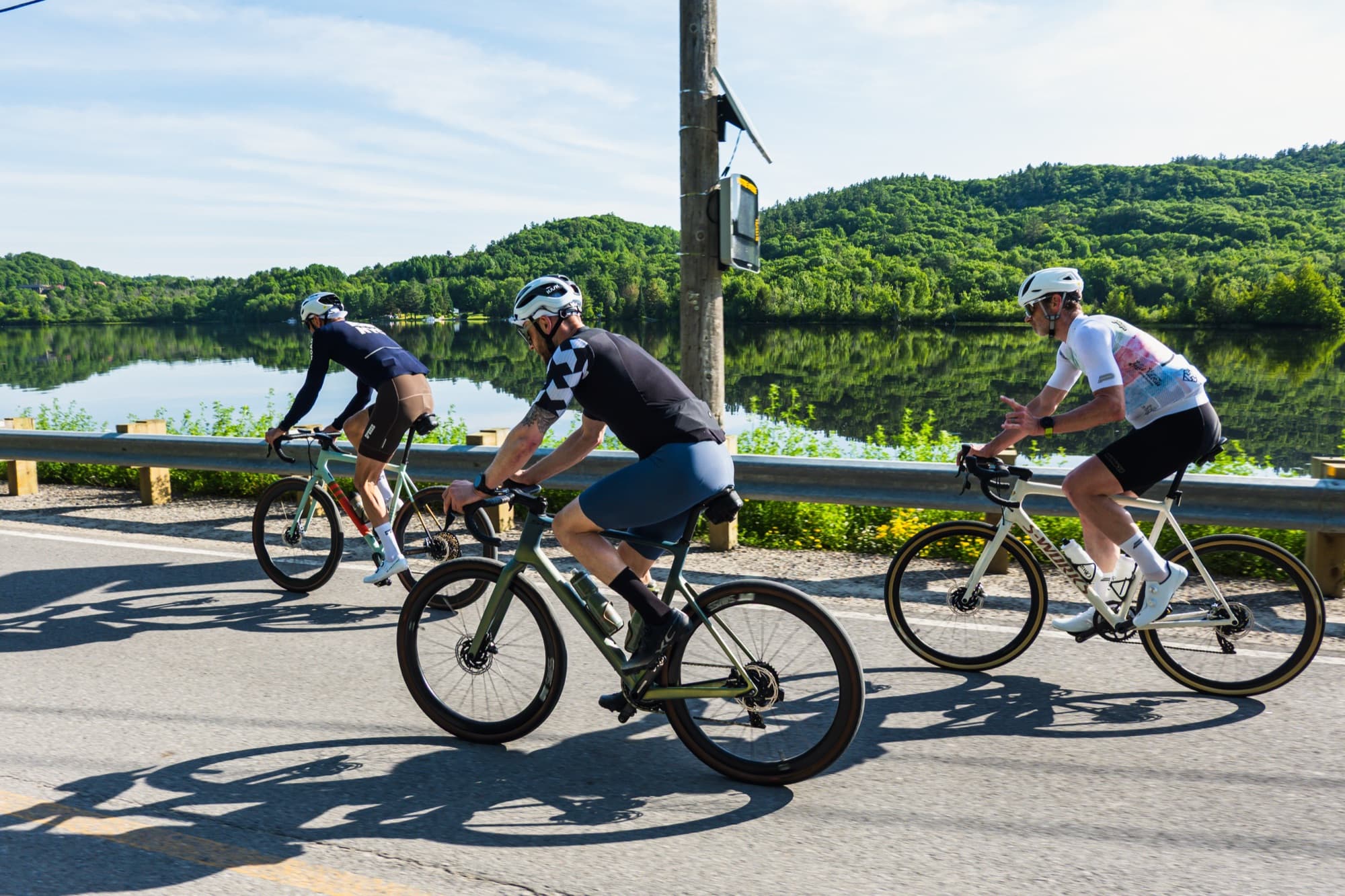
We split rides into pace categories and groups of about ten, so you’re riding with people at your speed while keeping things safe and social. Pick the right group — it keeps everyone together. Not sure? Start easier; you can always move up.
A — Fast
Spirited, drop-style riding that regroups at set points. Strong, experienced riders.
B — Tempo
A brisk, steady pace that regroups on climbs and at stops.
C — Endurance
A moderate, conversational tempo — the heart of most group rides.
D — Chill
A relaxed, no-drop social pace. Perfect if you're new or easing back in.
Exact pace ranges are listed on each ride’s page — they vary by route and conditions.
New to group riding? You’re welcome here.
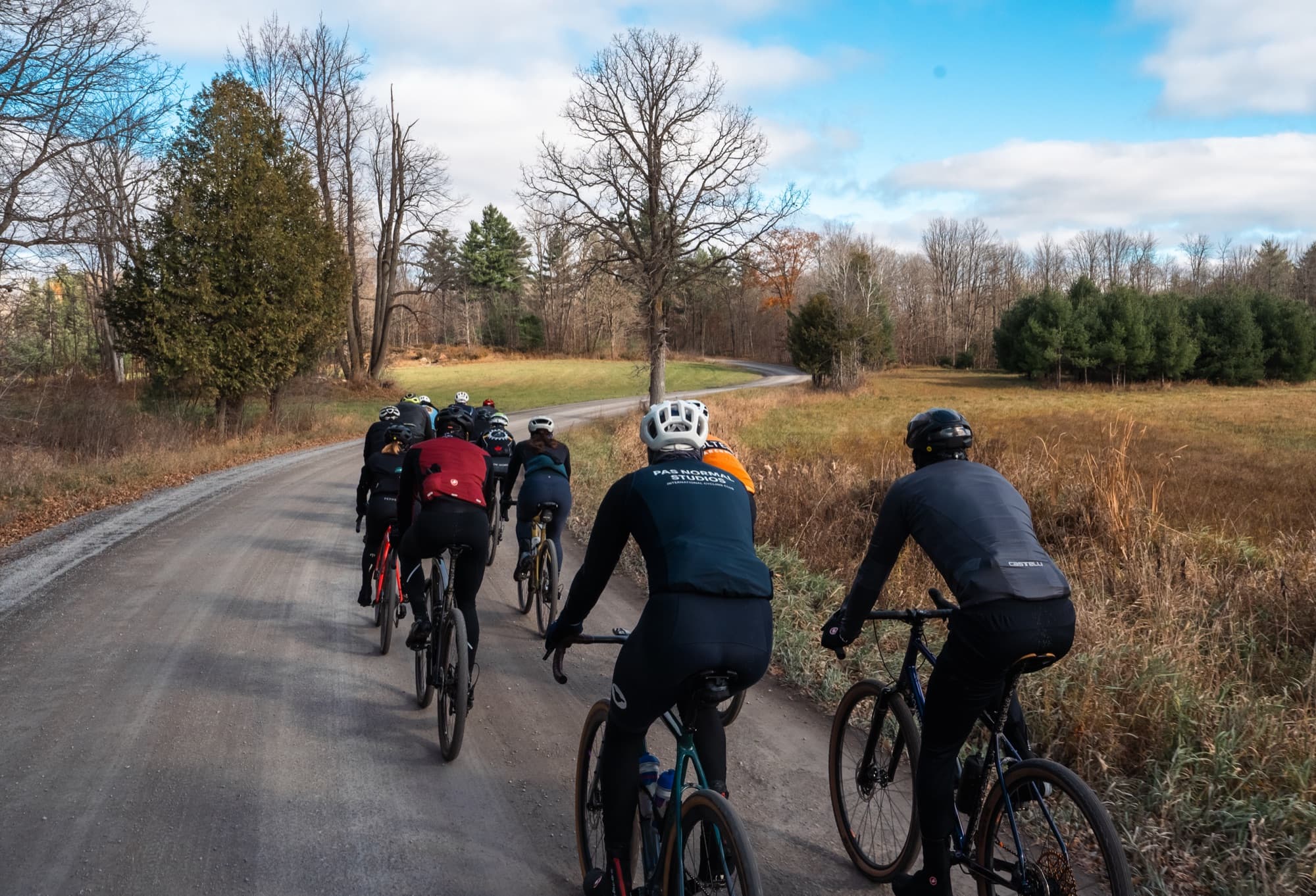
Everyone was new once. Come to the pre-ride briefing, tell a Ride Lead it’s your first time, and ride near the front of a relaxed group so you can learn the calls. We’d rather answer your questions than have you guess. Safe, predictable, and fun — that’s the whole game.