August 6, 2026 · Common Empire
E-Bikes and Cycling: Everything You Need to Know
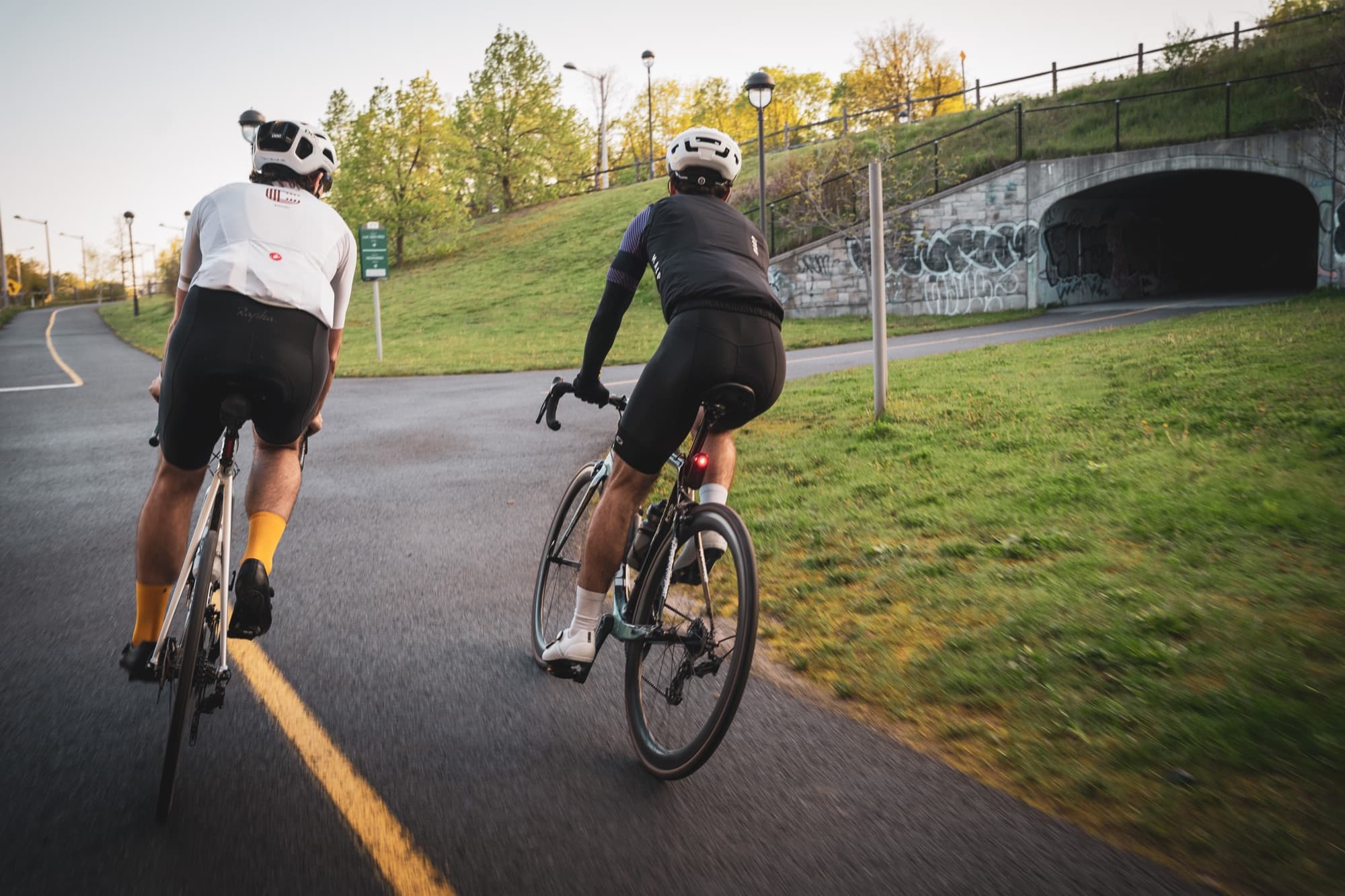
E-bikes are the fastest-growing part of cycling, and for good reason: they get more people riding, more often, for more of their lives. Yet they still spark debate — is it "real" cycling? We think that's the wrong question. Anything that puts more people on two wheels, enjoying the outdoors and leaving the car at home, is a win. Here's a clear-eyed guide to how e-bikes work, what the rules are around here, and who they're great for.
How e-bikes work
An e-bike is a regular bicycle with a battery and a motor that assists your pedalling — most give you a boost only while you pedal, so you're still riding, just with a helpful tailwind. You control how much help you get, from a gentle nudge to a strong push up a climb. The assist typically cuts out once you reach a set speed, so an e-bike helps you ride farther and tackle hills, not go dangerously fast.
Who e-bikes are great for
The honest answer is: almost everyone, in the right situation. They're a lifeline for riders returning from injury or illness, a way for people of different fitness levels to ride together and stay together, a practical car replacement for commuting and errands, and a confidence-builder for anyone intimidated by our region's hills. They also let riders extend their years in the sport long after unassisted riding gets hard. In a no-drop community like ours, e-bikes help keep everyone on the ride — and that's exactly the point.
Know the rules: Ontario and Quebec
Because we ride across two provinces, it's worth knowing that e-bike rules differ — and they're stricter than the rules for regular bikes. In both Ontario and Quebec, standard e-bikes are limited to a 500-watt motor and a maximum assisted speed of 32 km/h. Beyond that, the details vary:
- In Ontario, the minimum age is 16, and a helmet is required for e-bike riders of all ages; no licence is needed.
- In Quebec, the minimum age is 14, riders under 18 need a moped-class (6D) licence, and helmets are mandatory for e-bike riders.
- In both provinces, e-bikes are allowed on most roads and many paths but banned from controlled-access highways — and some municipal paths and trails have their own rules.
Rules change, so confirm the current regulations with the Government of Ontario, the SAAQ in Quebec, and your local municipality — and always check trail-specific signage. (Riding both sides of the river? Our guide to the cycling laws of Ontario and Quebec covers the rest.)
Choosing an e-bike
The same principles that apply to any bike apply here: fit comes first, buy from a local shop that can service it, and match the bike to where you'll ride (there are road, gravel, commuter, and cargo e-bikes). Beyond that, pay attention to battery range for the distances you have in mind, the quality and support behind the motor and battery system, and the total weight, which affects handling and lifting the bike onto a rack. A test ride tells you more than any spec sheet.
Living with an e-bike
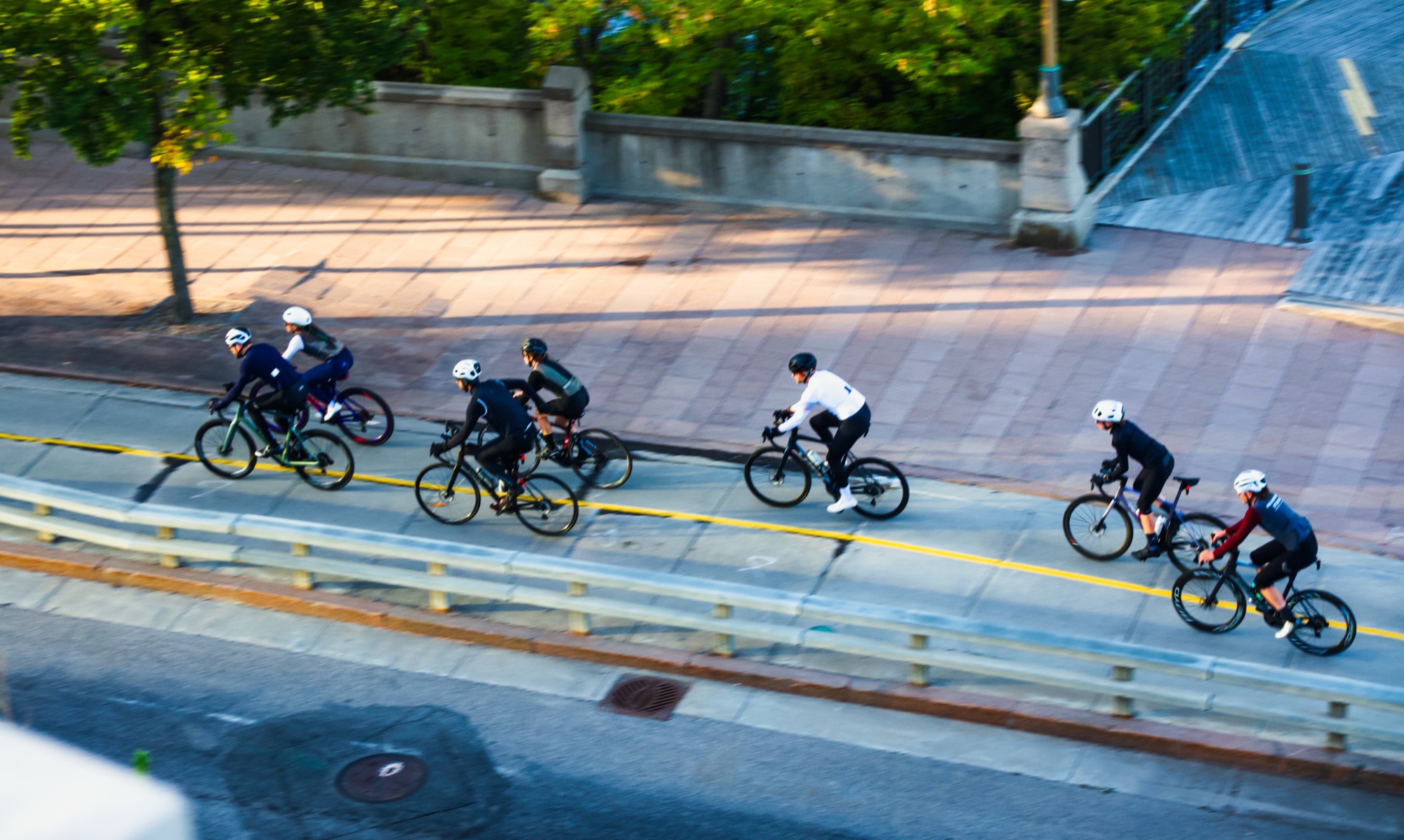
A little care keeps an e-bike happy: store the battery indoors in extreme cold (important in an Ottawa winter), charge it as the manufacturer recommends, and keep the bike clean and maintained like any other. Otherwise, ride it exactly as you would any bike — the maintenance basics, safety habits, and joy are all the same.
Everyone's welcome, powered or not. Whatever you ride, come join a no-drop Common Empire group ride — e-bikes included. Find local shops to explore your options.
E-bikes aren't a threat to cycling — they're one of the best things to happen to it, opening the sport to more people and keeping riders rolling for longer. However you get your wheels turning, we're just glad you're out there. Connection over competition, always.