July 30, 2026 · Common Empire
How to Fix a Flat and Other Roadside Repairs Every Rider Should Know
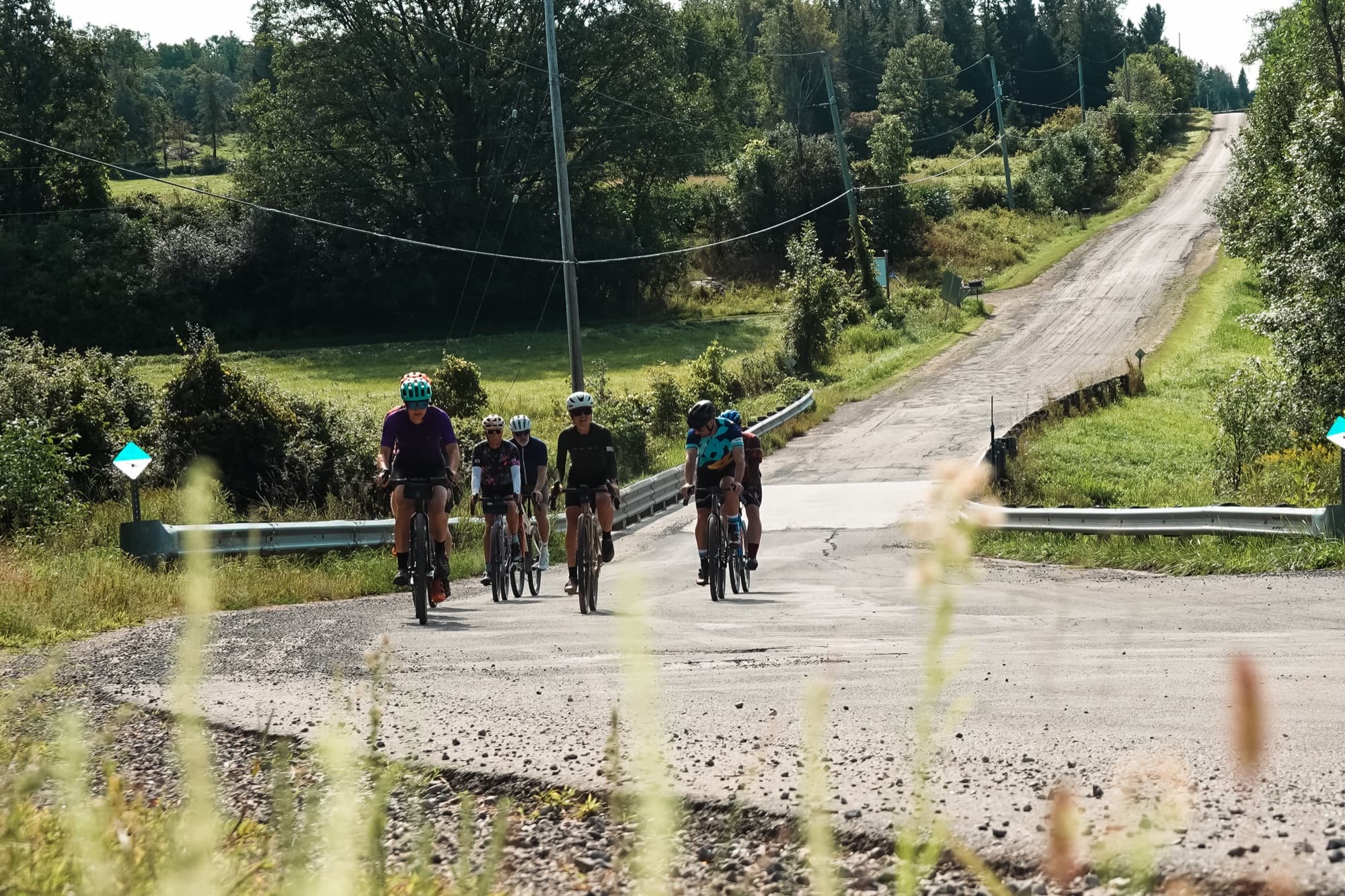
Nothing ends a good ride faster than a mechanical you don't know how to fix. But here is the liberating truth: the handful of repairs that get you home are genuinely easy to learn, and once you have them, the whole map opens up. You can ride farther, explore quieter roads, and stop worrying about being stranded. Master these, and you become the rider your friends are glad to have along.
What to carry
You cannot fix what you did not bring. A minimalist roadside kit fits in a small saddlebag or jersey pocket:
- A spare tube (the right size for your tyre) — even if you run tubeless, carry one as a backup.
- Two tyre levers.
- A mini-pump or CO2 inflator with a spare cartridge.
- A multi-tool with Allen keys.
- A tubeless plug kit if you run tubeless, and a patch kit as a featherweight backup.
- A phone, some ID, and a bit of cash — the ultimate backup plan.
How to fix a flat (with a tube)
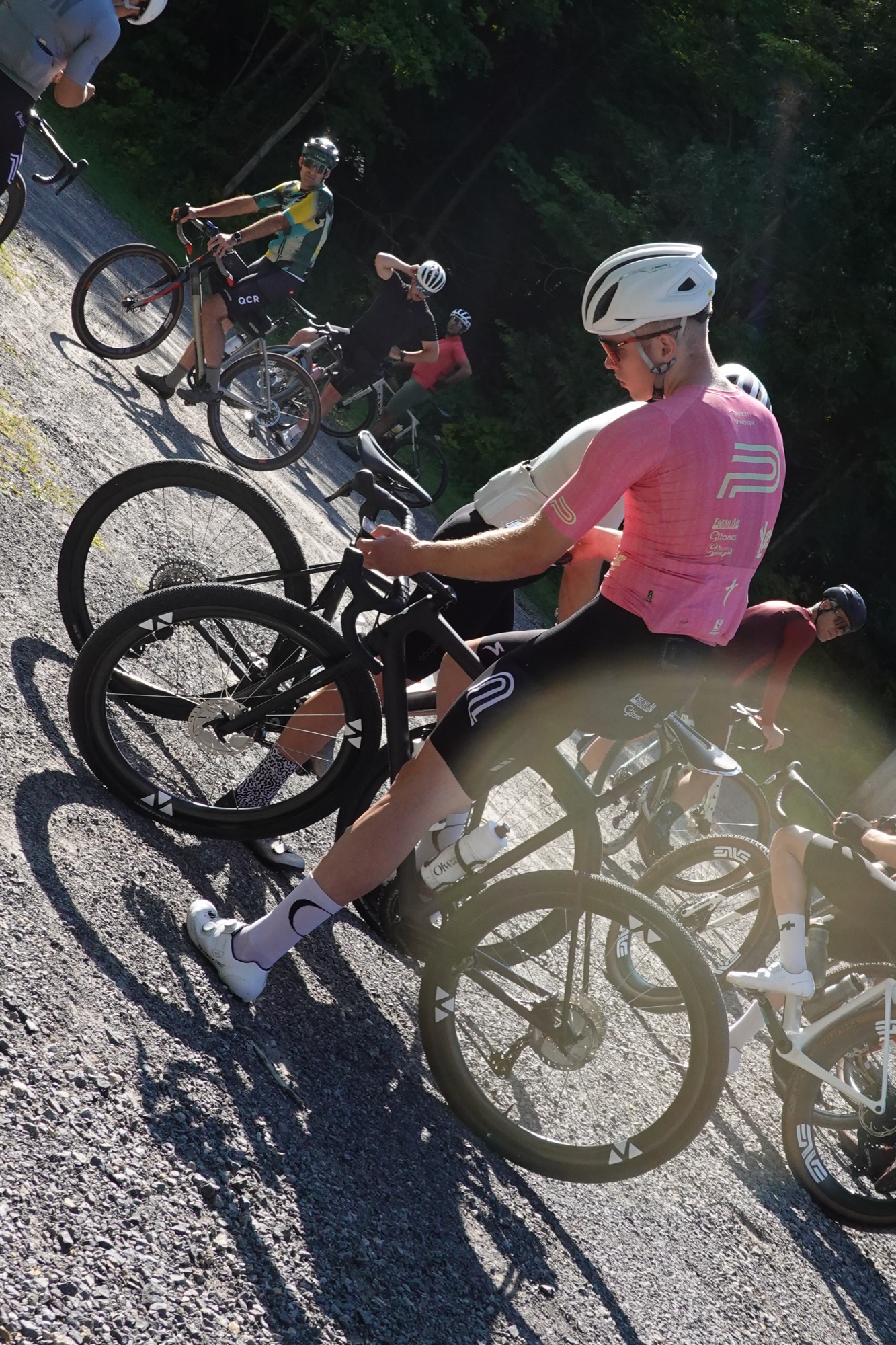
This is the essential skill. Take your time the first few times and it will soon become second nature:
- Shift to the smallest cog, then release the brake if needed and remove the wheel.
- Let out any remaining air, then use a lever to unhook one side of the tyre and run it around the rim to free that bead. Pull the old tube out.
- Find the cause. Run your fingers carefully inside the tyre for the thorn, glass, or wire that caused the flat — miss it and your new tube will puncture too.
- Inflate the new tube just enough to give it shape, tuck it in starting at the valve, then work the tyre back onto the rim with your hands. Avoid levers on the final section if you can, so you don't pinch the tube.
- Check the bead is seated evenly all the way around, inflate to pressure, and refit the wheel.
Tubeless: plugs and when to add a tube
If you ride tubeless, most small punctures seal themselves thanks to the liquid sealant inside — you may only notice a brief spray before it stops. For a larger hole that won't seal, a tubeless plug pushed into the cut usually gets you rolling again in under a minute. If the tyre is truly torn or the plug won't hold, remove the valve and install a spare tube just as you would on any tyre. That is why we always carry one.
Four more fixes worth knowing
- Dropped chain: simply lift the chain back onto the smallest chainring by hand, or soft-pedal it on while gently lifting — no tools needed.
- Brake rub: if a wheel got knocked and the rim or rotor is rubbing, check the wheel is fully seated in the dropouts. A slightly buckled wheel can often be opened up by loosening the brake enough to get home.
- A torn tyre ("booting"): a cut in the tyre casing can let the tube bulge out. Place a folded banknote, energy-bar wrapper, or a proper tyre boot inside the tyre over the cut before installing the tube — it will hold pressure long enough to get you home.
- A rubbing or ticking that won't quit: check for an obvious culprit — a stick in the drivetrain, a loose bottle cage bolt, a bag strap in the wheel. Nine times out of ten roadside noises have a simple, visible cause.
When to call it
Knowing your limits is a skill too. A broken chain can be fixed with a quick-link if you carry one, but a cracked frame, a destroyed wheel, or an injury means it is time to stop. There is no shame in phoning a friend or arranging a lift — that is what the phone and cash are for. Our region also has public repair stands and bike shops dotted around; you'll find them on the map in our Resources.
Preventing flats in the first place
Most flats are avoidable. Keep your tyres at a sensible pressure — too low invites pinch flats, too high makes for a harsh, skittery ride. Refresh tubeless sealant a few times a season, and give your tyres a quick look for embedded debris after rough rides. Getting pressure right is the single biggest lever, and our Tyre Pressure Calculator takes the guesswork out of it.
Ride farther, worry less. Find repair stands and local bike shops on our Resources map, and dial in your setup with the free Tyre Pressure Calculator before your next big ride.
Spend twenty minutes practising a tyre change at home, in the comfort of your kitchen, and you will handle it calmly at the roadside. That confidence is what lets you point your wheel down the road less travelled — and that is where the best rides are.