August 13, 2026 · Common Empire
What to Wear Cycling in Every Season: An Ottawa Valley Layering Guide
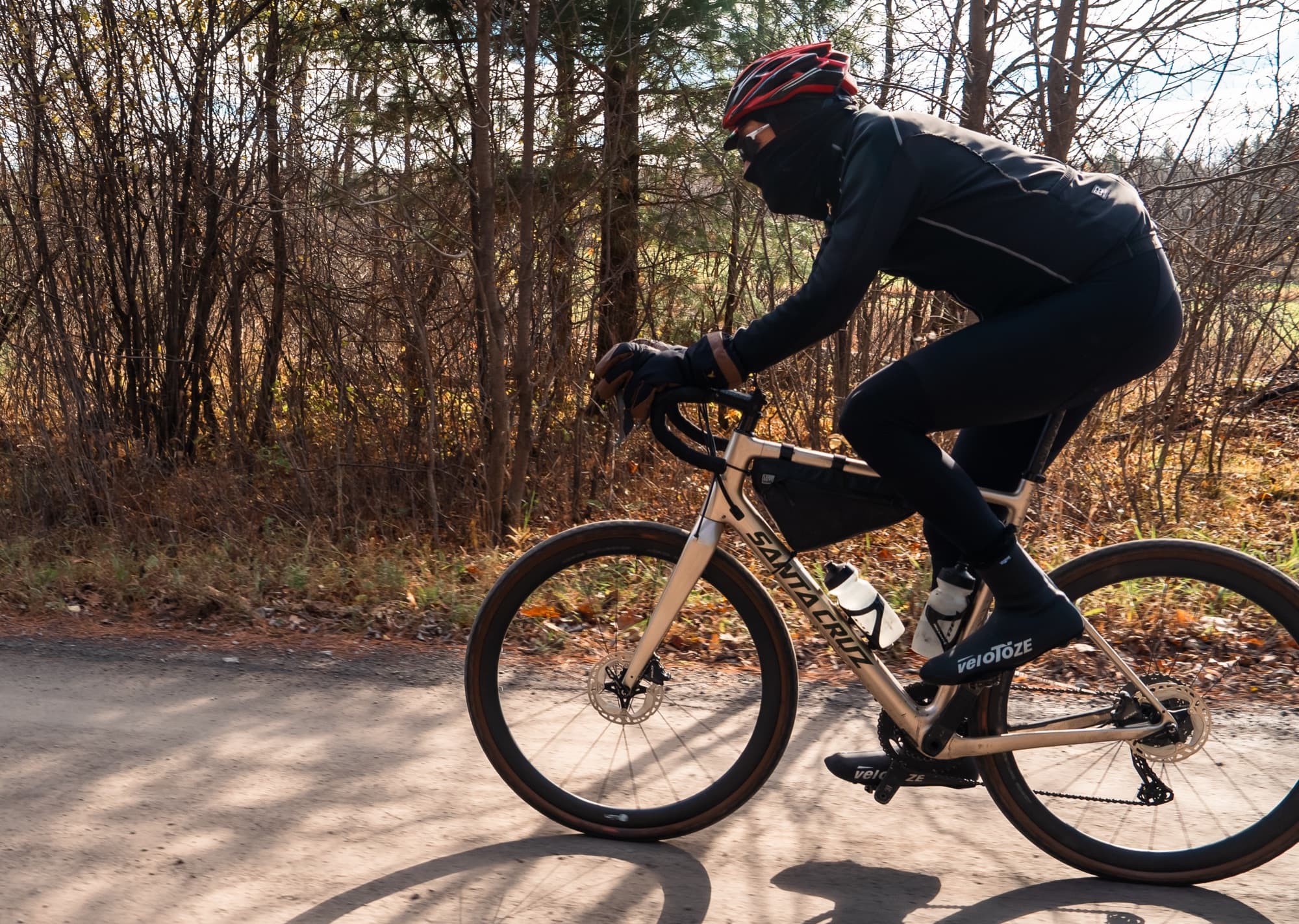
If you ride in the Ottawa Valley, you know we get the full menu: bitter spring mornings, humid summer afternoons, glorious crisp autumns, and everything in between — sometimes in the same week. Dressing right is the difference between a miserable ride and a great one, and it is a skill worth learning. Here is a season-by-season guide to being comfortable on the bike whatever the thermometer says.
The one rule that governs everything
Dress to feel slightly cool when you first roll out. Within ten minutes of pedalling you will warm up considerably, so if you feel perfectly cosy standing in the driveway, you will overheat and sweat — which then leaves you cold and clammy. Being a little chilly at the start is exactly right.
Summer (roughly 20°C and up)
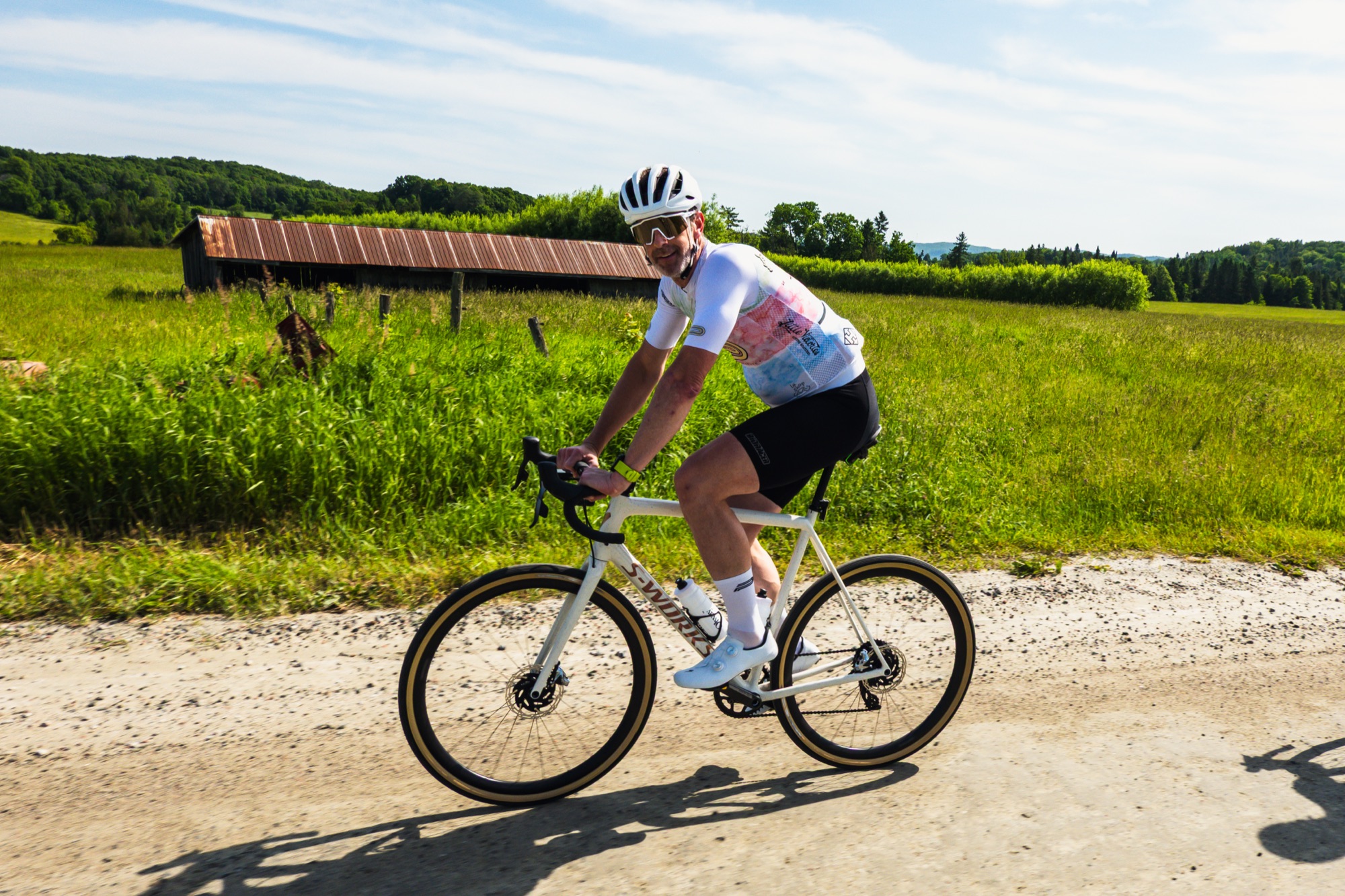
Keep it simple and breathable: a lightweight jersey and bib shorts, fingerless gloves, and plenty of ventilation. On the hottest, most humid Valley afternoons, a light-coloured, moisture-wicking jersey and a well-vented helmet make a real difference. Don't forget sunscreen and sunglasses — and carry extra water, because heat dramatically increases how much you sweat.
Spring and autumn (the layering seasons)
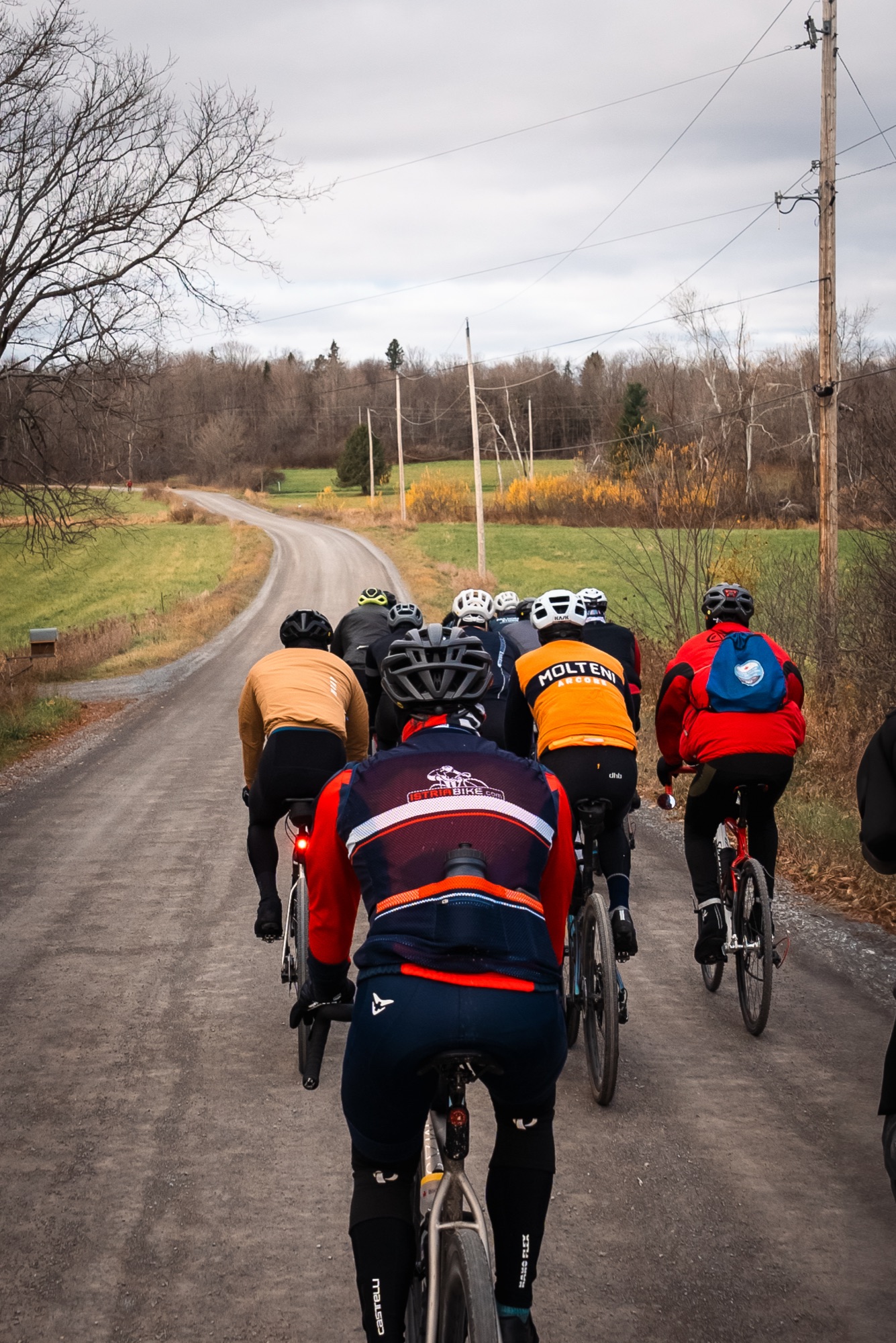
This is where Ottawa Valley riders earn their stripes, because a ride can start near freezing and finish in shirtsleeve warmth. The answer is layers you can shed and stash. Start with a base layer, add arm and knee warmers (the most versatile items in cycling — easy to peel off and pocket as the day warms), and a light packable vest or jacket to cut the morning chill. A buff or headband and full-finger gloves round it out. By afternoon you may be down to a jersey, with everything else tucked in your pockets.
Winter (below freezing)
Winter riding is all about the three-layer system: a wicking base, an insulating mid-layer, and a windproof outer shell. Then defend the extremities, which suffer first: a thermal cap under the helmet, a neck gaiter, lobster gloves or mitts, and windproof, insulated footwear with wool socks. Clear or lightly tinted glasses protect your eyes from wind and snow. Our dedicated Ottawa winter guide covers the tires and traction side of cold-weather riding.
Rain, any season
A packable waterproof jacket lives in the jersey pocket of every experienced Valley rider. In cool rain, add a cap with a brim under your helmet to keep water off your glasses, and consider shoe covers to keep your feet from turning into cold sponges. In warm summer rain, sometimes the best "rain gear" is simply accepting you'll get wet — just be visible, because grey skies reduce how well drivers can see you.
Be seen, whatever the weather
Visibility is part of dressing for the ride, not an afterthought. Bright and high-contrast colours help in daylight; reflective details and good lights are essential in the low light of dawn, dusk, and winter. On dull days and short-daylight months, run your lights even when you think you don't need them.
Dial in the rest of your kit. See our seasonal winter-riding guide and our new-rider gear checklist — and come test your layers on a no-drop group ride in any weather.
Once you crack the layering code, the calendar stops dictating when you ride. You'll head out comfortable in April frost and August heat alike — and that is what turns a fair-weather cyclist into a rider for all seasons.