August 10, 2026 · Common Empire
Recovery for Cyclists: What to Do After a Big Ride
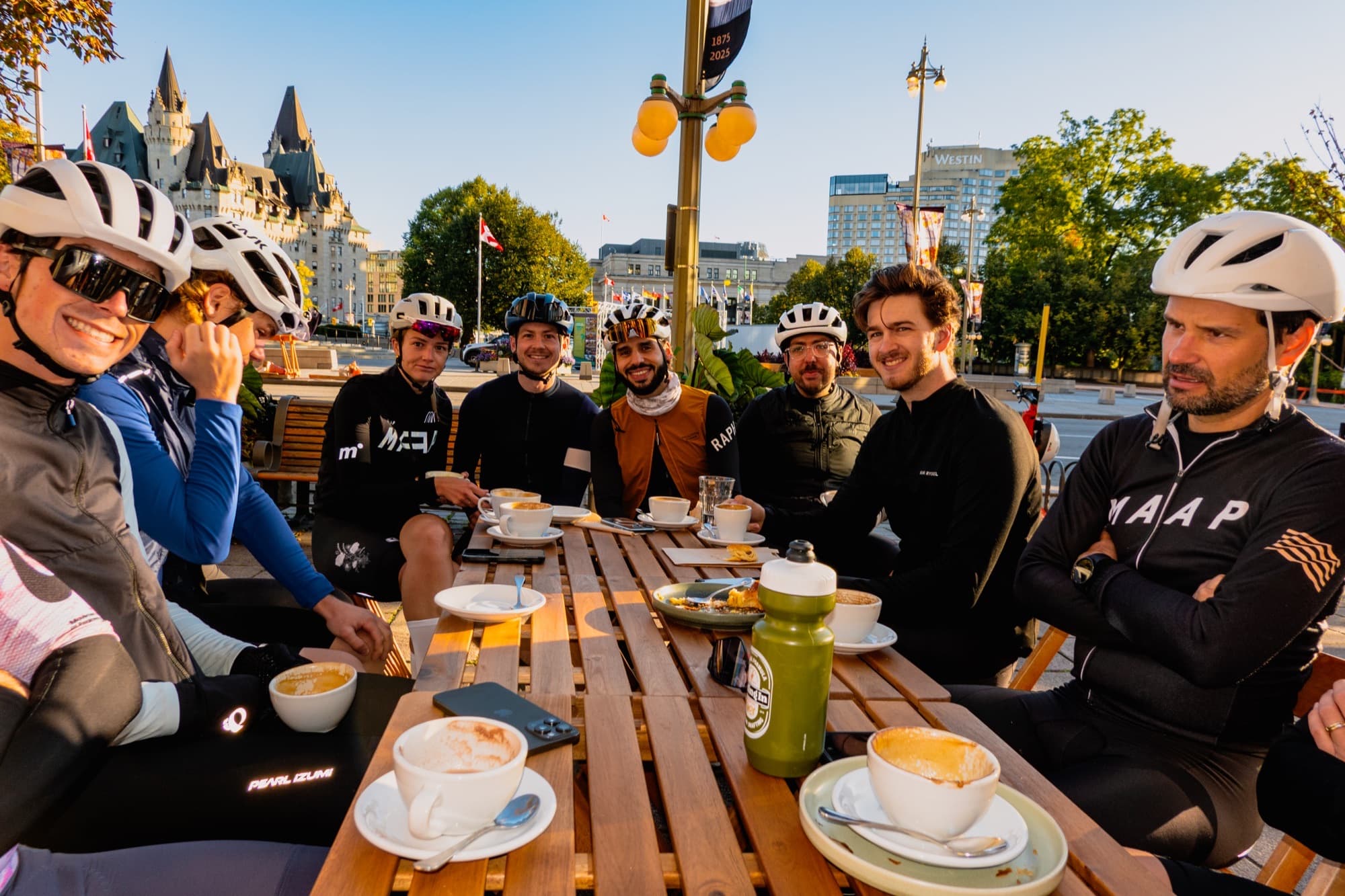
Here's a truth that took many of us years to learn: you don't get fitter during your hard rides — you get fitter while you recover from them. The ride is the stimulus; the adaptation happens afterward, while you refuel, rest, and repair. Treat recovery as part of your training rather than an afterthought, and you'll ride stronger, feel better, and stay injury-free. Here's how to recover well after a big day in the saddle.
Refuel in the first hour
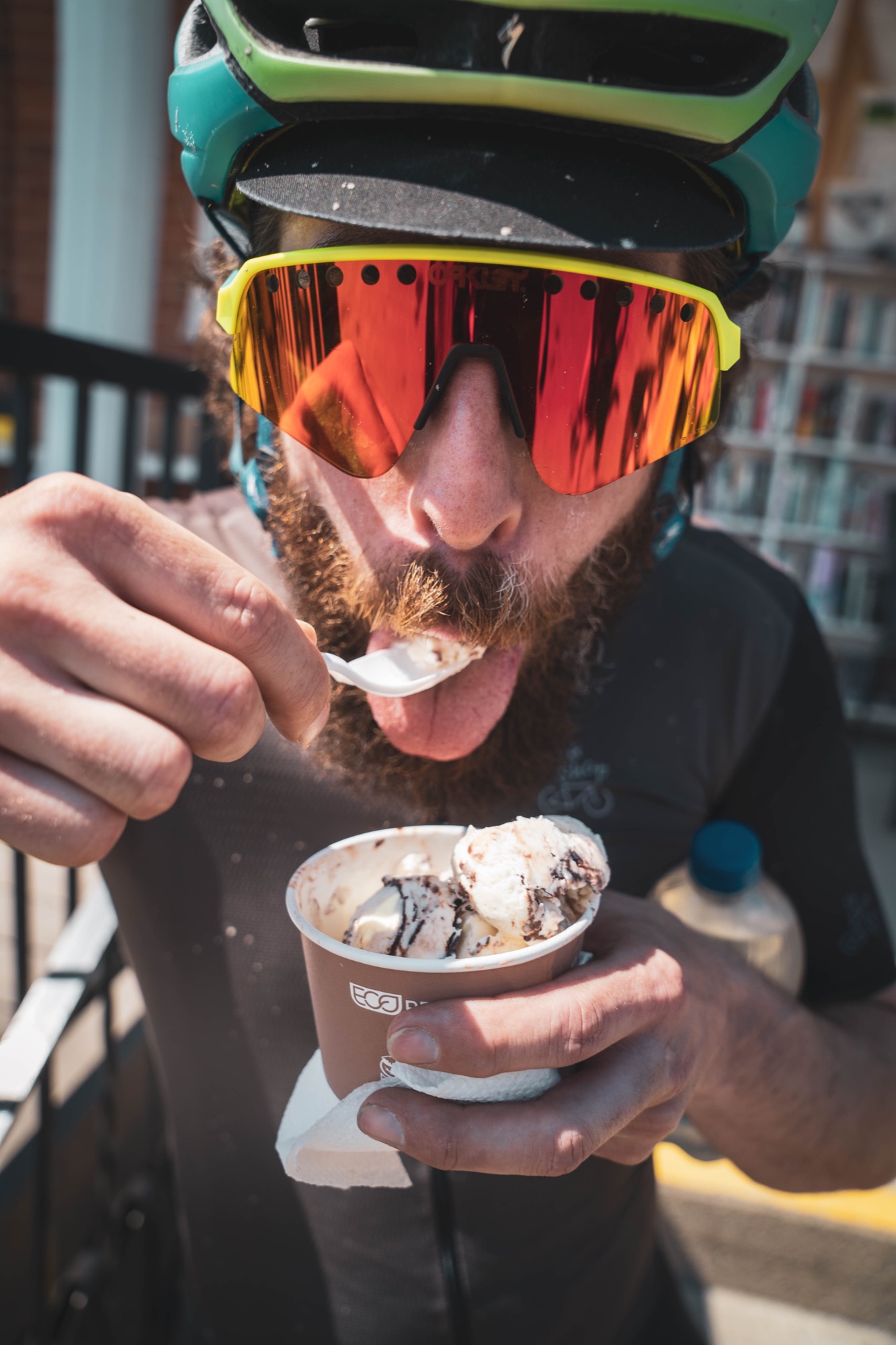
The window after a hard or long ride is prime time to refill your energy stores. Aim to eat within 30 to 60 minutes of finishing, focusing on a mix of carbohydrate and protein — the carbs refill the glycogen you burned, and the protein helps repair muscle. It doesn't need to be fancy: a proper meal, a smoothie, or the classic chocolate milk all do the job. The bigger and harder the ride, the more it matters.
Rehydrate — and replace salt
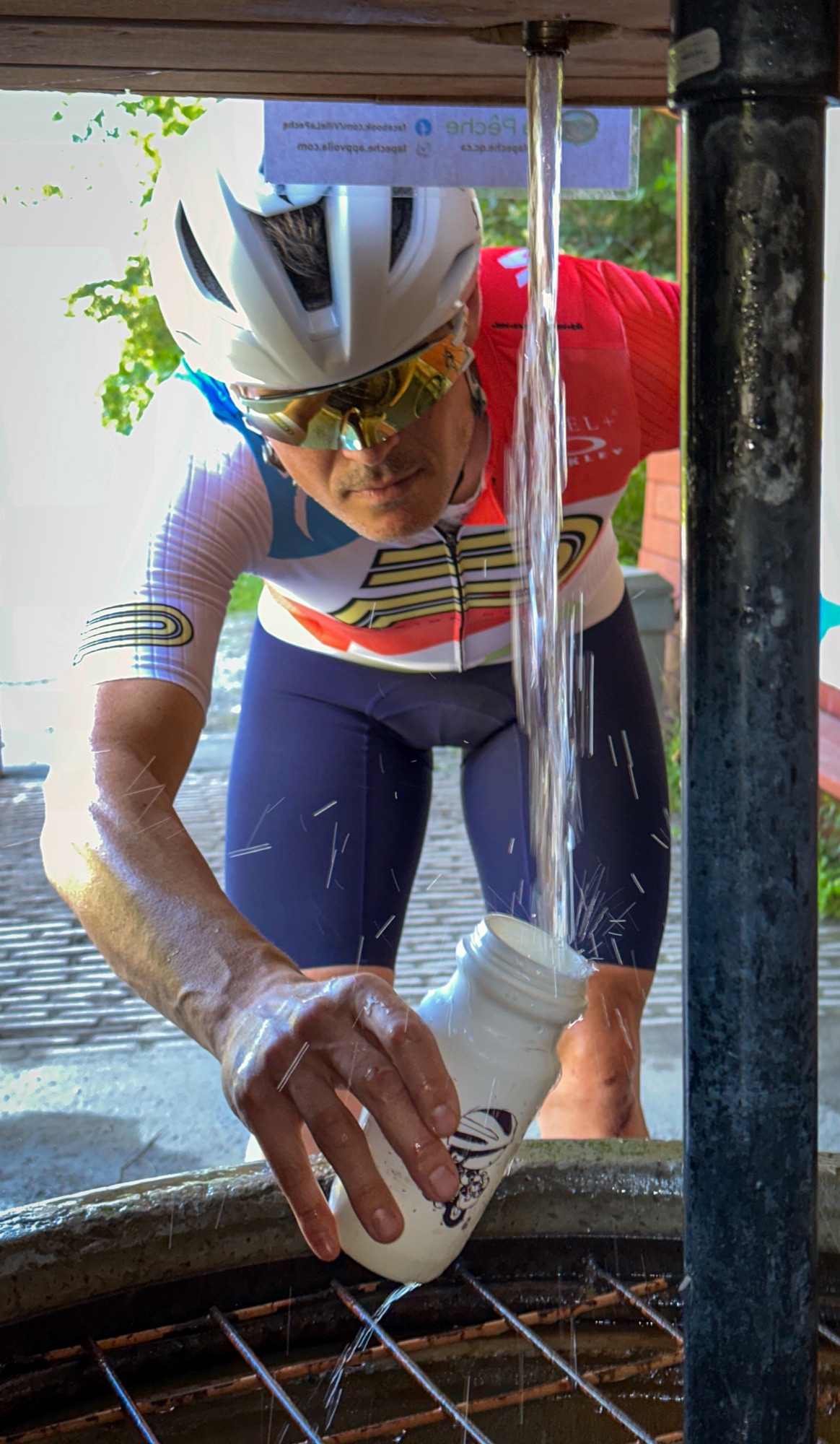
You finish most rides carrying a fluid deficit, and on hot days it can be significant. Keep drinking after you stop, and include some sodium and electrolytes, especially if you're a salty sweater or the ride was long and hot — plain water alone can be slow to rehydrate you. A simple check: if you're still not needing the bathroom a couple of hours later, keep drinking.
Want to nail your during- and post-ride numbers? Our Fueling Calculator sets your carb, fluid, and sodium targets so you finish closer to topped-up in the first place. (Our full guide to fuelling a ride covers the on-bike side.)
Move, then rest
An easy spin, a short walk, or some gentle stretching after a hard effort can help you feel better the next day. But the real recovery hero is unglamorous: sleep. It's when the bulk of your body's repair and adaptation happens, so prioritise it after big training days. Elevating the legs, a warm shower, and simply putting your feet up all beat any expensive gadget.
Respect the easy days
The most common mistake keen riders make is going too hard, too often. Your body needs easy days and full rest days to absorb the work — that's not laziness, it's where the fitness is made. A good rhythm alternates hard efforts with genuinely easy rides and rest. If your easy rides feel too easy, you're probably doing them right.
Listen to your body
Learn to tell the difference between normal training fatigue and the warning signs of doing too much: persistent heavy legs, poor sleep, a lingering low mood, elevated resting heart rate, or getting sick often. When you notice these, the answer is more rest, not more riding. There's no medal for training yourself into a hole.
The little things add up
Comfortable clothes after a ride, a good meal, staying on top of hydration through the day, and gentle mobility work all compound over a season. None of it is dramatic, but riders who recover consistently well are the ones still riding strong in September while others are burnt out.
Recover smart, ride stronger. Plan your ride-day fuel and hydration with our free Fueling Calculator, and if you're building toward a big goal, see our guide to training for your first 100 km.
Recovery isn't the opposite of training — it's the other half of it. Look after yourself when you get home, and you'll be amazed how much better the next ride feels. Ride hard, recover harder, and keep the good days coming.