July 31, 2026 · Common Empire
From Road to Gravel: A Roadie's Guide to Your First Gravel Ride
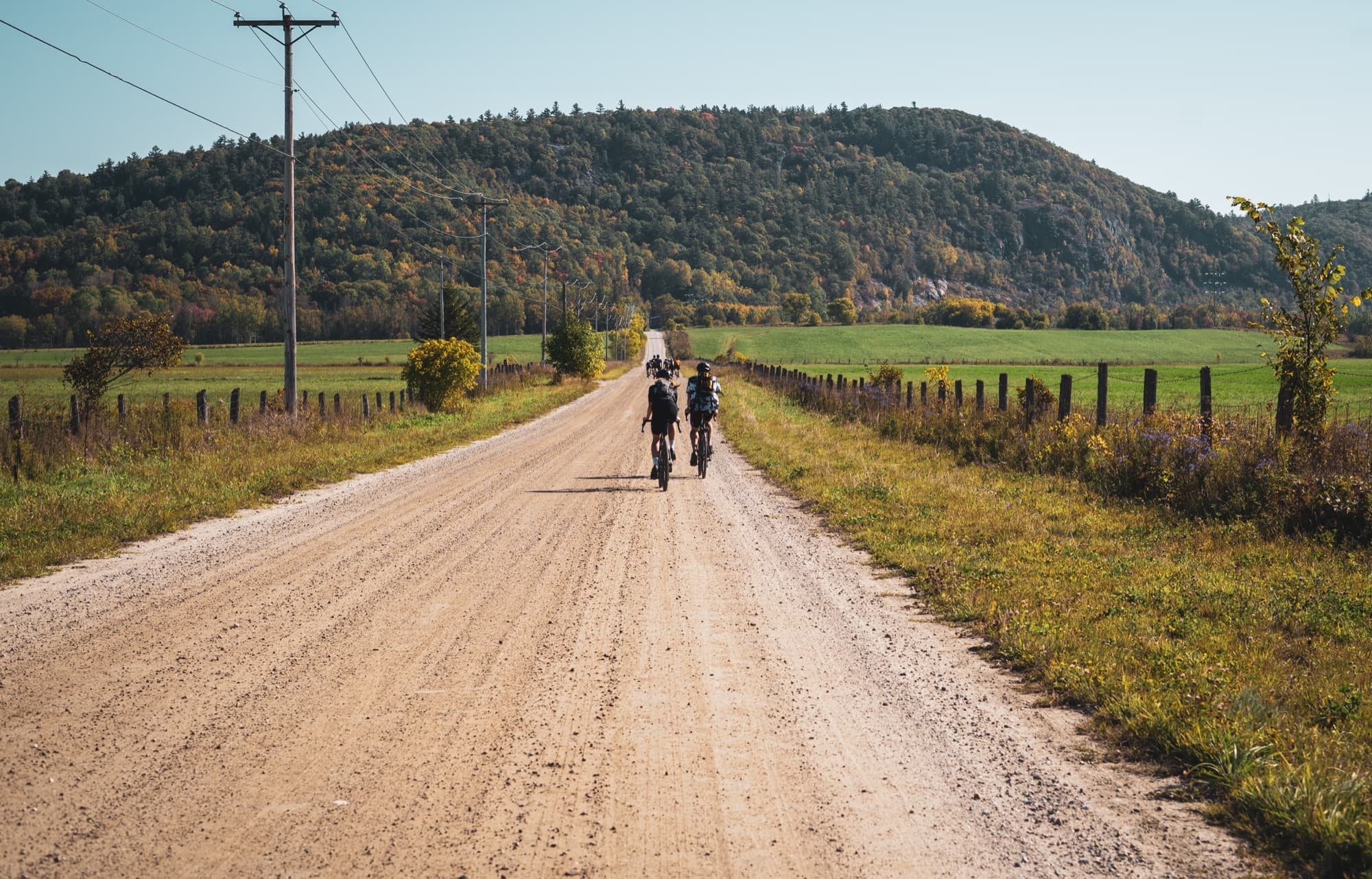
If you are a road rider who keeps eyeing those quiet dirt roads disappearing into the trees, this one is for you. Gravel riding has exploded in popularity for a simple reason: it takes everything good about cycling — the fitness, the flow, the adventure — and adds solitude, scenery, and freedom from traffic. And here in the Ottawa Valley, we are spoilt for it. The leap from road to gravel is smaller than you think. Here is how to make it.
How gravel differs from the road
The surface is the obvious change, but the feel is what surprises roadies most. Gravel is slower for the same effort — you might average several kilometres an hour less, and that is completely normal, not a sign of weakness. Traction is lower, so smoothness matters more than power. And the vibe is different: fewer cars, more wildlife, and long stretches where it is just you and the crunch of tyres on dirt. Many roadies find gravel is where they rediscover why they fell in love with riding.
Setting up your bike and tyres
You may not need a dedicated gravel bike to start — many endurance road bikes fit tyres wide enough for smoother gravel. The two things that matter most are tyres and pressure. Go as wide as your frame allows (many gravel riders run 38 to 45 mm) for grip and comfort, and — crucially — run lower pressure than you would on the road. Lower pressure lets the tyre conform to the surface, which means more grip, more comfort, and fewer pinch flats. Getting that number right is the difference between floating over gravel and getting rattled to pieces.
Gearing helps too: gravel climbs are often steeper and looser than paved ones, so easier gears let you spin up seated and keep traction. Tubeless tyres with sealant are popular on gravel precisely because they shrug off the small punctures that loose surfaces cause — worth knowing how to handle the ones that don't seal.
Skills for loose surfaces
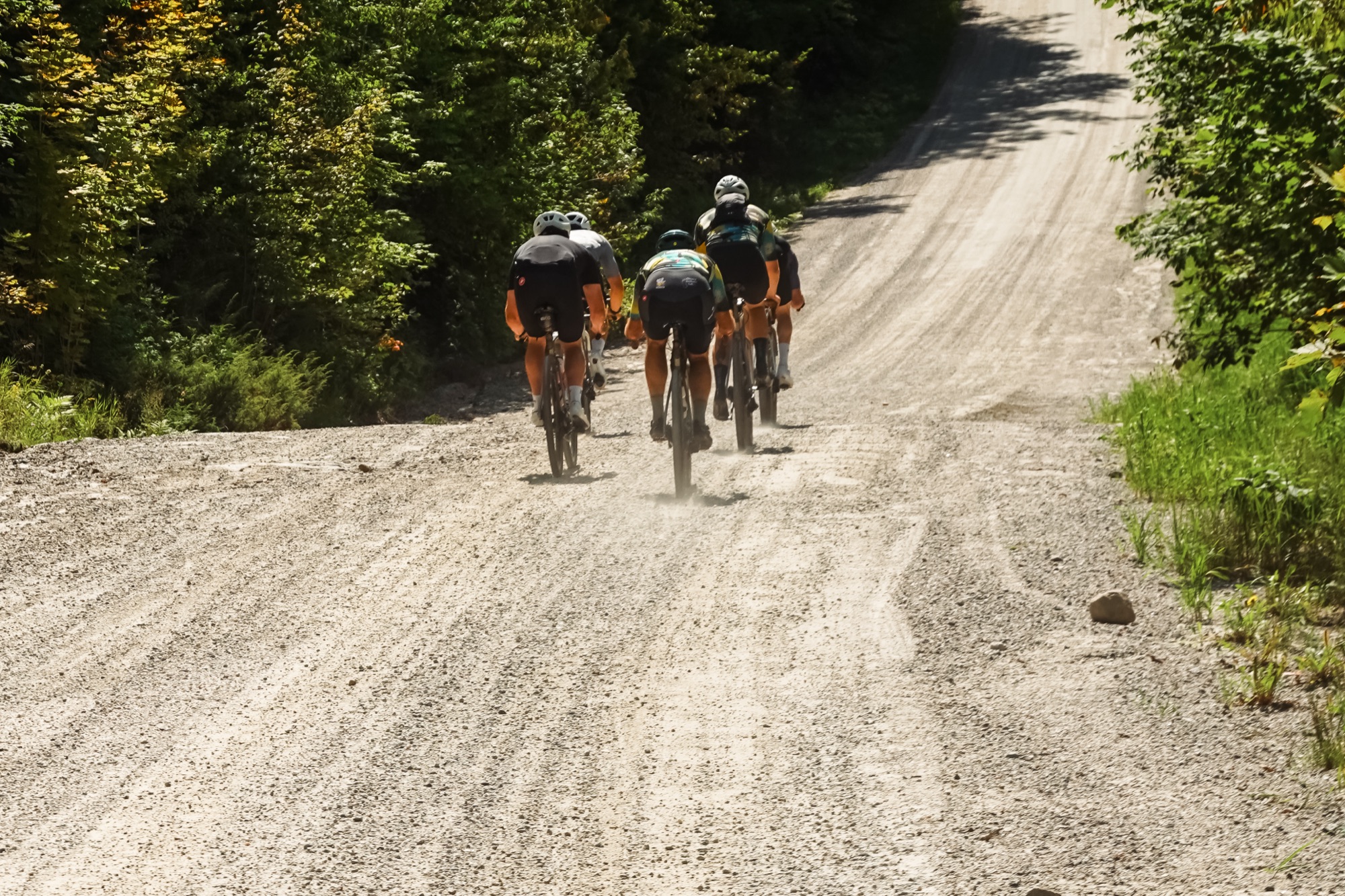
Your road skills transfer, with a few adjustments that quickly become instinct:
- Relax your grip and your upper body. Let the bike move beneath you rather than fighting it — a loose bike is a stable bike on gravel.
- Look ahead, not down. Choose your line early and let your eyes lead you around the loose patches and washboard.
- Brake before corners, not in them, and favour the rear brake a touch to avoid washing out the front.
- On loose climbs, stay seated to keep weight on the rear wheel for traction.
- Carry momentum through sandy or chunky sections rather than braking into them.
Pack for self-sufficiency
Gravel roads are gloriously remote, which means help and shops can be far away. Carry more than you would on a road loop: extra water, more food, a tube and plug kit, a mini-pump, and a phone with your route downloaded offline. Tell someone where you are going. That little bit of preparation is what turns a remote route from nerve-wracking into pure freedom.
Choosing your first gravel route
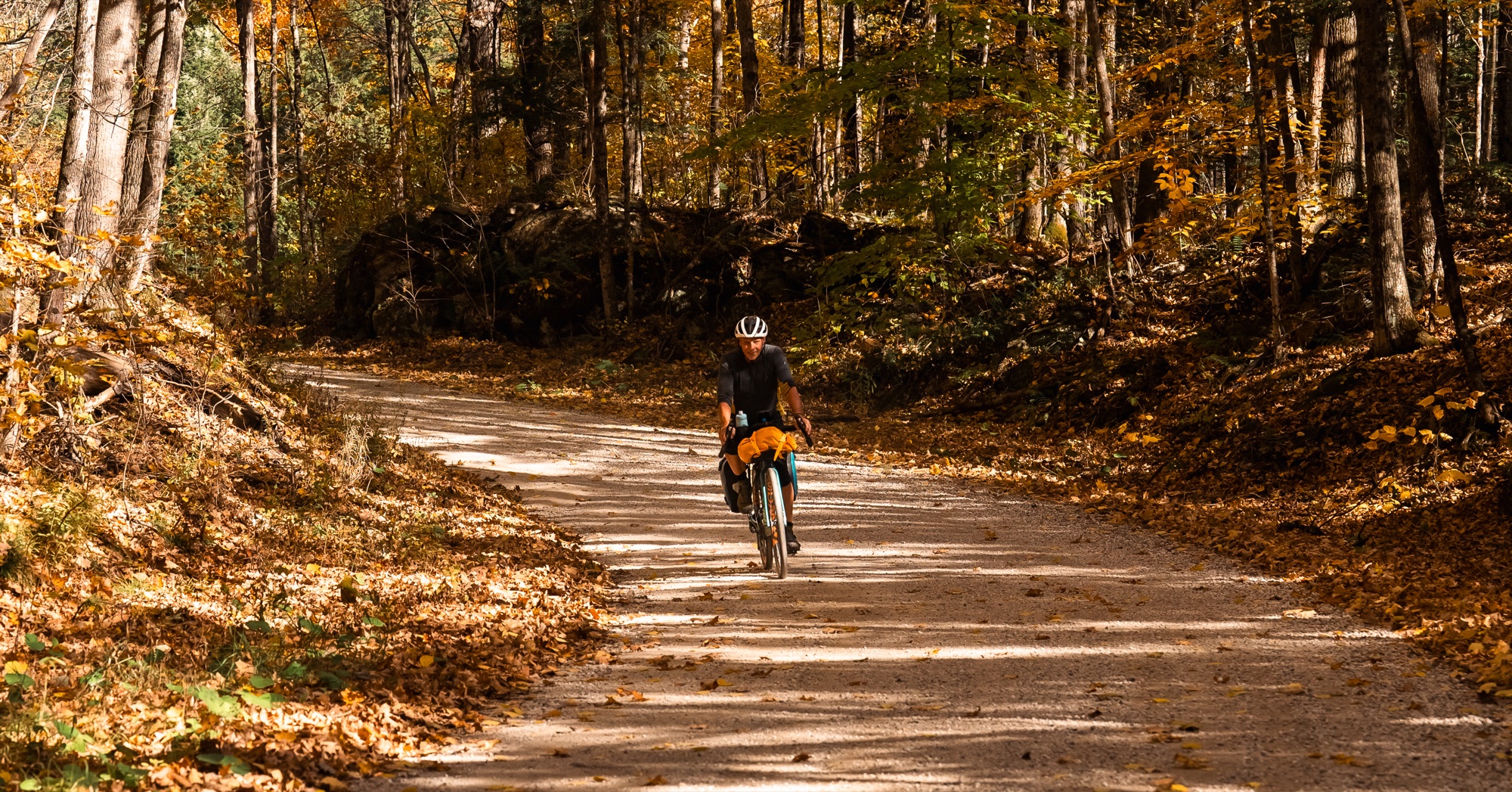
Start gentle. A rail trail is the perfect on-ramp — flat, smooth, well-marked, and traffic-free, with a hard-packed surface that feels reassuringly close to pavement. From there you can graduate to quiet gravel concession roads and build up to bigger adventures. Our region's rail trails and backroads are some of the best in the province for exactly this progression — browse the route library to find one.
Set up for success. Use our free Tyre Pressure Calculator to find your ideal gravel pressure, then read our guide to riding Lanark County — Eastern Ontario's gravel heartland — for routes to try first.
Give gravel one honest try and there is a good chance you will be hooked. It is the same sport you already love, just with the volume turned down on traffic and up on adventure. We will see you out there on the dirt.