August 9, 2026 · Common Empire
Cornering and Descending with Confidence
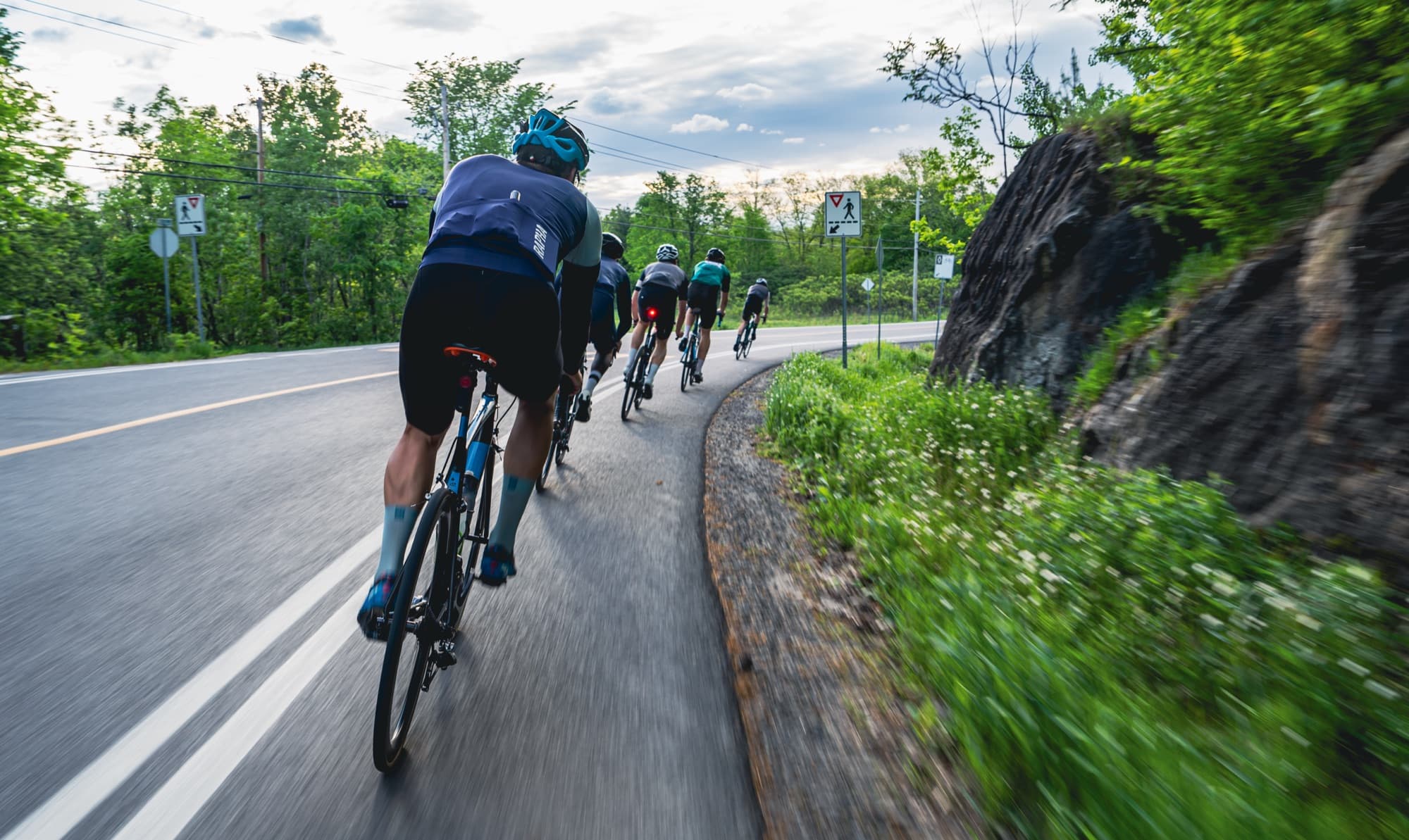
For a lot of riders, the way down is scarier than the way up. Climbs are hard but predictable; descents and fast corners ask for skills that no one ever really teaches. The result is riders who grind up a climb only to crawl down the other side, tense and white-knuckled. It doesn't have to be that way. Descending well is a learnable skill, and once it clicks, it becomes one of the great joys of cycling. Here is how to build that confidence.
Relax — tension is the enemy
The single biggest mistake is a rigid, tense body. A stiff rider fights the bike; a relaxed rider lets it flow. Loosen your grip on the bars, drop your shoulders, and let your arms and legs act as suspension. Bikes are remarkably stable when you stop fighting them — your job is to guide, not to wrestle.
Get into position
Good descending starts with body position. Get lower and more stable: hold the drops (or hoods, low and relaxed) for better control and braking, drop your heels, and keep your weight centred and slightly back. For fast, straight descents, keeping your pedals level and gently squeezing the top tube with your knees makes the bike beautifully stable at speed.
Look where you want to go
This is the golden rule of cornering: your bike follows your eyes. Look through the corner to where you want to exit, not down at your front wheel or at the hazard you're trying to avoid — target fixation is real, and you'll drift toward whatever you stare at. Lift your gaze, scan ahead, and the line comes naturally.
Brake before, not during
Do your braking in a straight line before the corner, then release the brakes as you turn in. Braking hard mid-corner is what causes skids and washouts, because a leaning tire has less grip to spare. Set your speed early, come off the brakes, and carry smooth momentum through the bend. Feather both brakes evenly, favouring gentle inputs over sudden grabs.
Take the right line
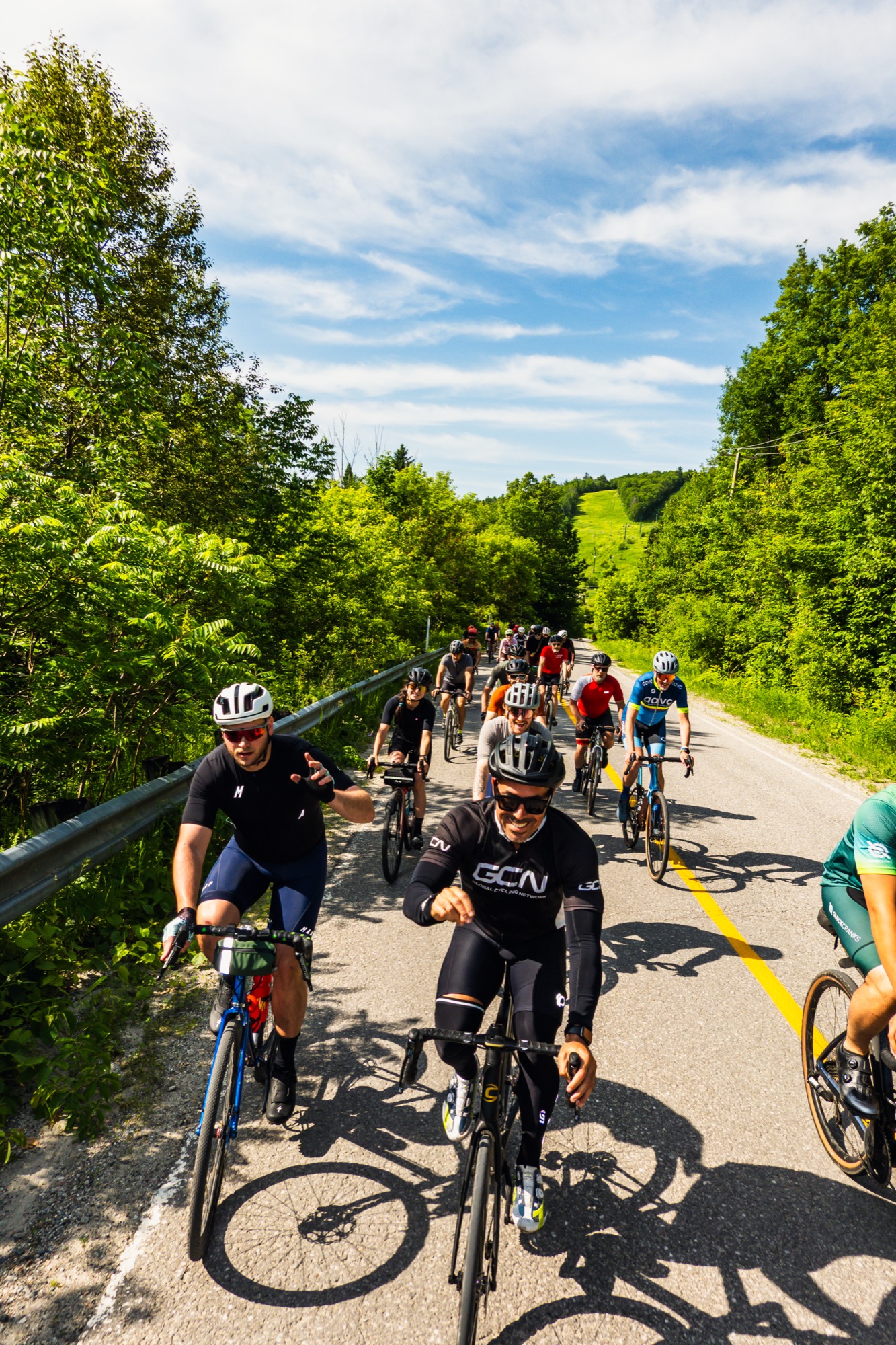
A smooth line makes any corner easier. In general, approach from the outside, aim for the inside at the apex, and drift back out on exit — this straightens the corner and lets you carry more speed safely. Always stay within your lane and leave a margin for gravel, damp patches, or an oncoming rider. On our local descents in Gatineau Park and the Valley, watch for early-season grit and the odd tightening bend.
Lean the bike, and press the outside pedal
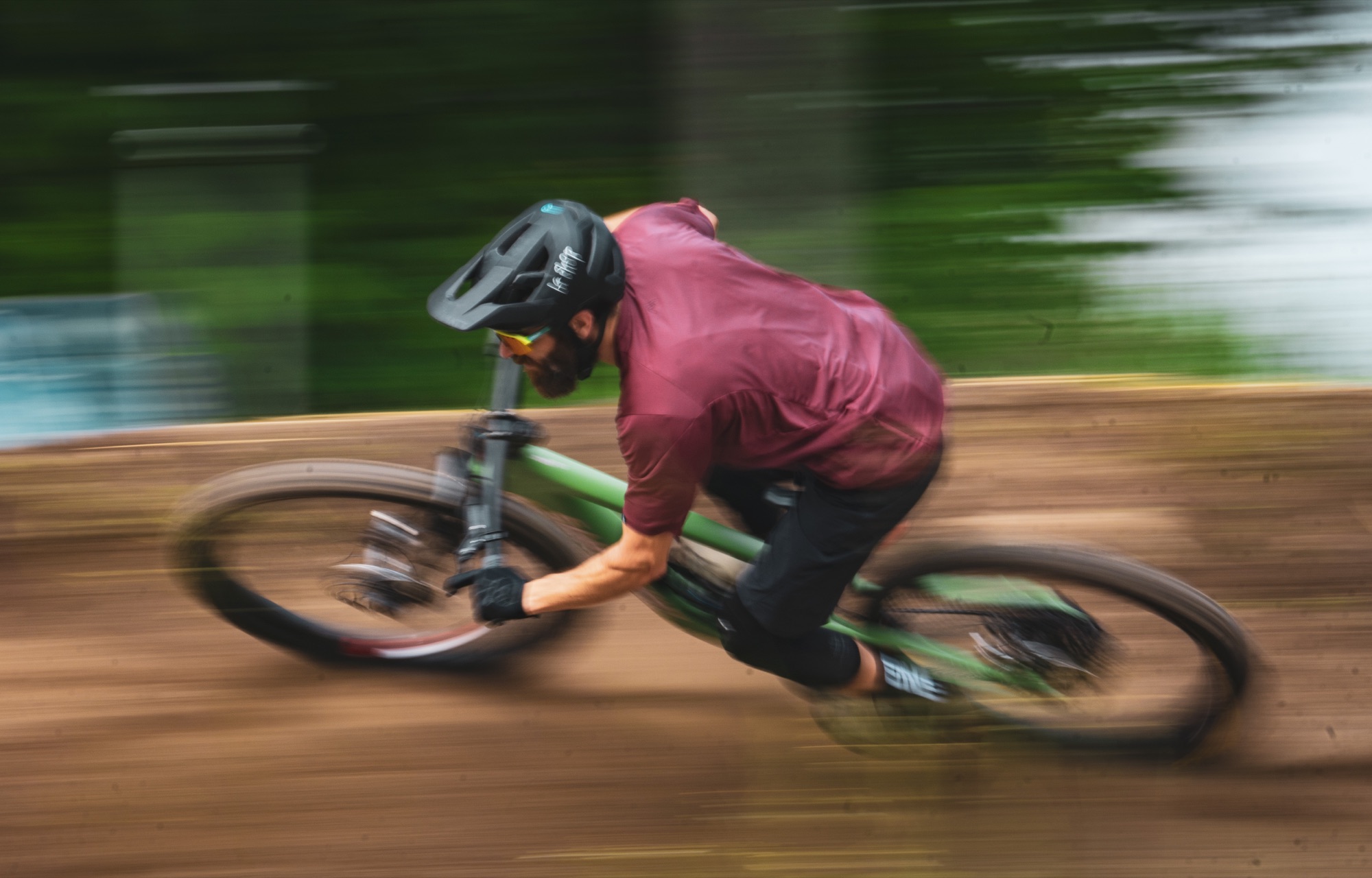
In faster corners, let the bike lean beneath you while keeping your body a touch more upright, put your weight on the outside pedal (at the bottom of the stroke), and press gently into the inside of the bars. It feels like magic the first time it clicks — the bike carves through the turn and you feel planted and in control.
Build up gradually
Confidence comes from repetition, not bravery. Practise on a descent you know well, start conservative, and add a little speed each time as it starts to feel natural. Following a skilled, smooth rider down a hill is one of the fastest ways to learn — another reason group riding pays off.
Practise on the region's best descents. See our guide to cycling Gatineau Park for climbs and descents to test your skills, then join a no-drop group ride and learn from riders who love to share what they know.
Master these fundamentals and the descent stops being the scary part and becomes the reward for the climb. Relax, look ahead, brake early, and let the bike do what it's beautifully designed to do. See you at the bottom, grinning.